

Cold-smoking temperatures for foods like salmon, bacon, or cheese vary, but the bigger lesson is this: temperature only makes sense when you consider airflow and humidity together.
From more than 20 years of cold smoking at home and in traditional settings, I have learned that most frustrations come from treating temperature as a single number. Once you start thinking in “conditions” instead of “degrees,” it becomes far easier to get consistent results.
For my first ten years of cold smoking meat and other foods, I did not appreciate how much these variables steer the outcome. I learned a lot from Dutch and German butchers, but some of the practical details only clicked after years of experimenting with my own setups.
Cold smoking can feel mysterious at first, but the working method is straightforward. Keep the smoke cool, keep it moving, and keep the food in an environment where it can take on smoke steadily instead of in harsh bursts.
This guide focuses on cold smoking temperature ranges for common foods and how to hold those ranges in real life. I will also explain how humidity and airflow interact with temperature, because that is the part many guides skip.
I have cold-smoked everything from cream to fish, vegetables, and meat, and I still test new ideas when I get the chance. The goal here is to give you usable temperature targets and the practical controls that help you stay inside them.
I am a man of science, so I have spent a lot of time comparing what I see in practice with what textbooks describe. What I keep coming back to is that cold smoking is a controlled environment game, not a gadget game.
For a simple temperature baseline, I plan most sessions around a cool-smoke environment and then adjust airflow and humidity to match the food. A broad working range for many projects is in the 10–20°C (50–70°F) zone, with conditions tuned so the smoke stays clean and gentle.
A useful starting point is the beginner’s guide to cold smoking, especially when you want to compare different chamber styles and how they hold temperature over longer sessions.
Temperature Table and Guides for Cold Smoking Food
Temperature Guidelines for Cold Smoking:
- Temperature Range: 50°F to 60°F (10°C to 15°C)
- Optimal Temperature: Around 55°F (13°C) for most foods
- Relative Humidity: 60-70% to help prevent overly fast surface drying
- Smoking Time: Varies by food and flavor intensity, from under an hour to multiple sessions across days
| Food Type | Temperature | Smoking Time | Wood |
|---|---|---|---|
| Cheese | 50-60°F/10-15°C | 1 to 4 hours | Fruitwood, Lighter flavor wood like apple |
| Raw Whole Eggs | 50-60°F/10-15°C | 5-20 hours (over x3 sessions) | light to medium smoking woods |
| Dairy – milk, cream | 50-60°F/10-15°C | 1-3 hours | light to medium smoking woods |
| Fish | 41-70°F/5-21°C | 3 to 12 hours, depending on thickness | Fruitwood or lighter flavored smoking wood |
| Meats (bacon, ham, sausages) | 41-70°F/5-21°C | 3 to 20 hours | Hardwood chips (e.g., oak, hickory, mesquite) |
| Poultry (e.g., chicken, turkey) | 41-70°F/5-21°C | 1 to 6 hours, depending on size and desired smokiness | Fruitwood or hardwood chips (e.g., apple, cherry, hickory) |
| Vegetables (e.g., tomatoes, peppers, eggplant) | 41-70°F/5-21°C | 1 to 2 hours | Fruitwood or hardwood chips (e.g., apple, cherry, hickory) |
For most home projects, I treat the table as a target zone and manage the chamber conditions to keep it steady. When the environment creeps warmer, the session becomes harder to control and the smoke can get heavier than you want.
Quick Tips on Cold Smoking Food
These tips are the habits that keep temperature targets realistic across different setups.
- Use a Cold Smoke Generator: A maze or tube smoker helps keep smoke production consistent without adding much heat.
- Keep Food Away from Direct Heat: Use distance, a separate chamber, or a baffle to keep the smoke source from warming the food area.
- Monitor Temperature: Track the chamber temperature from the start so you can adjust airflow early, rather than chasing it later.
- Control Airflow: More airflow usually means cleaner, lighter smoke. Too little airflow can trap dense smoke and push bitterness.
- Dry Food Before Smoking: A dry surface absorbs smoke more evenly, which is why pellicle is important for many proteins.
- Rotate or Hang: Hanging or rotating reduces uneven exposure, especially in compact chambers.
How Temperature, Humidity, and Airflow Work Together
The interaction between humidity, airflow, and temperature is the foundation of consistent cold smoking. Temperature tells you the general direction, but airflow and humidity determine how stable the session feels and how the smoke behaves around the food.
Relative humidity is simply the amount of moisture in the air compared to what the air can hold at that temperature. When you understand that relationship, it becomes easier to explain why the same smoke generator behaves differently on a dry afternoon versus a damp evening.
My local climate often brings higher humidity and cooler nights, which can be ideal for longer cold-smoke sessions. In drier climates, I find nighttime sessions can be more practical because conditions often drift closer to a stable target range.
Airflow is the control knob that many people ignore. With too little airflow, smoke lingers and concentrates. With steady airflow, smoke stays cleaner and the chamber temperature is less likely to spike from trapped heat.
For a deeper overview of how the process fits together, I keep a separate cold smoking theory and equipment guide that breaks down the moving parts without turning it into a gadget checklist.
One of my earliest working setups used a kettle grill with a pellet tube underneath. Small changes, like cracking the lid or adjusting a top vent, were enough to improve smoke quality and make temperature control feel more predictable.
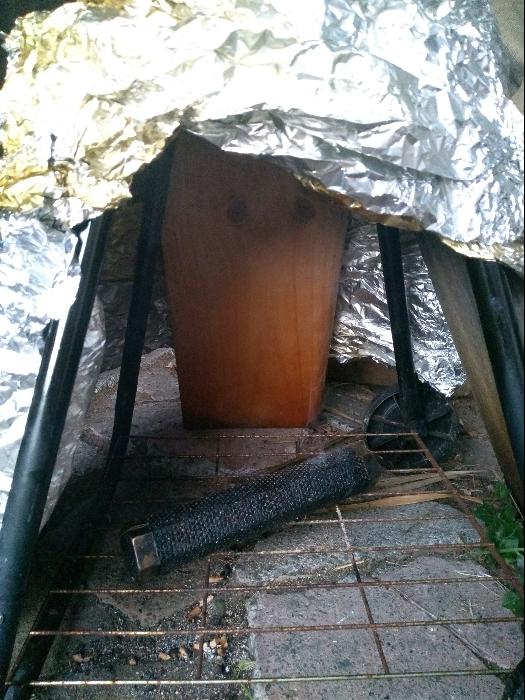
For practical build ideas that suit different budgets and spaces, the DIY cold smoker ideas shows several ways to separate smoke generation from the food chamber.
A simple adjustment that helps in many setups is adding a shallow bowl of water inside the smoking area. It can support steadier humidity and can soften fast swings in chamber conditions, especially when you are working with a small-volume smoker.
A bit of moisture testing with a Hygrometer like this makes sense.
Cold Smoking Meat vs. Vegetables vs. Dairy
This photo captures a session where I cold-smoked several items at once. The recipes I was following called for short smoke exposure to add a gentle layer of flavor rather than pushing it too far.
That session included salt, cream, beetroot, mushrooms, eggplant, and wild duck, at around 60°F under overcast conditions. Humidity was roughly in the mid-70% range, and the smoke stayed light and even.
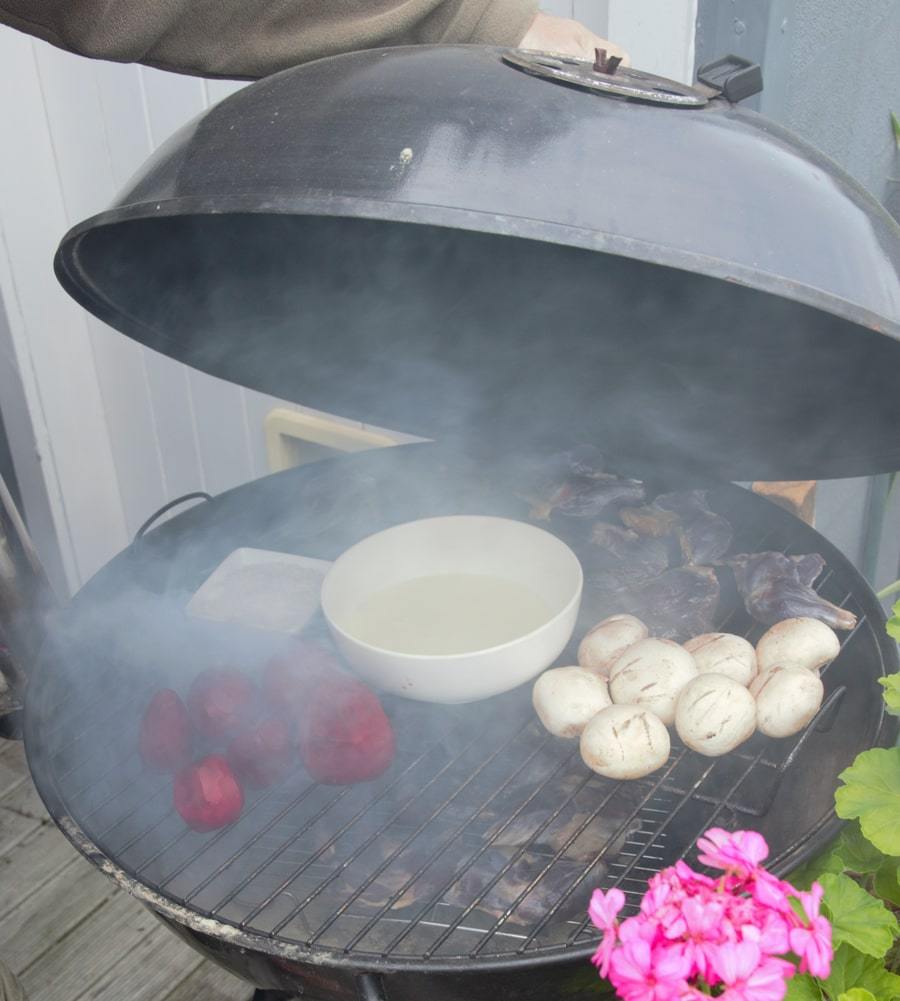
Eggplant and beetroot have been standouts for me, especially when you keep the smoke light and let the flavor settle after the session. Cold-smoked cream can be brilliant in cooking, too, because it carries smoke without needing long exposure.
For many proteins, a dry surface helps smoke settle evenly. This is where a pellicle becomes useful, because it gives you a consistent surface to work with across repeated sessions.
Temperature Control Tactics That Work in Real Setups
The best temperature control tactic is separation. When the smoke source is physically separated from the food chamber, the smoke can travel while the heat stays behind. That single design choice makes the temperature target far easier to maintain.
A pellet tube is a simple tool for this and one of the easiest ways to get reliable smoke for short sessions. For a practical breakdown of how it burns and how to get steadier output, I keep a dedicated pellet tube smoker guide.
I also keep sessions easier to manage by planning them around the most stable part of the day. In many places, early morning or evening conditions reduce temperature swings and help you keep smoke light without constant tinkering.
Wood choice matters here too, because heavier woods can make the smoke feel intense fast. Lighter fruit woods are forgiving for foods like dairy, cheese, and many fish, especially when the goal is balance instead of punch.
If your looking for the 'ducks nuts' (that means a very good bit of equipment). A smoke generator can be used as a cold smoker, or adding smoke to indirect cooking which equates to a form of 'low & slow' bbq or making smoked ham and some much more.
The inventor of smoke generators was Smokai, it's a simple device that uses the venturi effect and a variable air pump to control the amount of smoke you are pumping.
I have a range of cold smoking options, and the Smokai is my favorite.
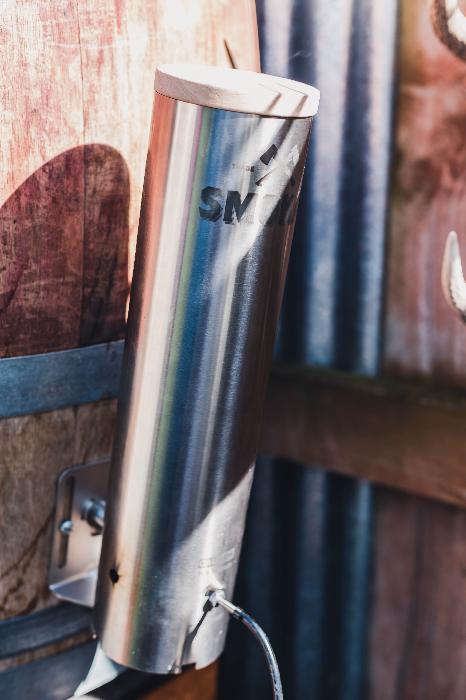
By far the smokai is the most efficient cold smoker I've come across because you have control.
It also burns very clean, which flavors the food exceptionally well. I've been using smoke generators for over 10 years, and this one is the ducks nuts.
Check out this review I did of the Smokai Smoke Generator here.
Cold smoking is part of a larger tradition of smoking as a preservation and flavor craft, but for this page I treat it as a technique problem: keep the smoke cool, clean, and steady so the food takes it on gradually.
Here is a video on cold smoking, various setups, and tips I made. It is most helpful once you have the table in mind and want to see how those targets look in real equipment.
Traditional Cold Smoking Example
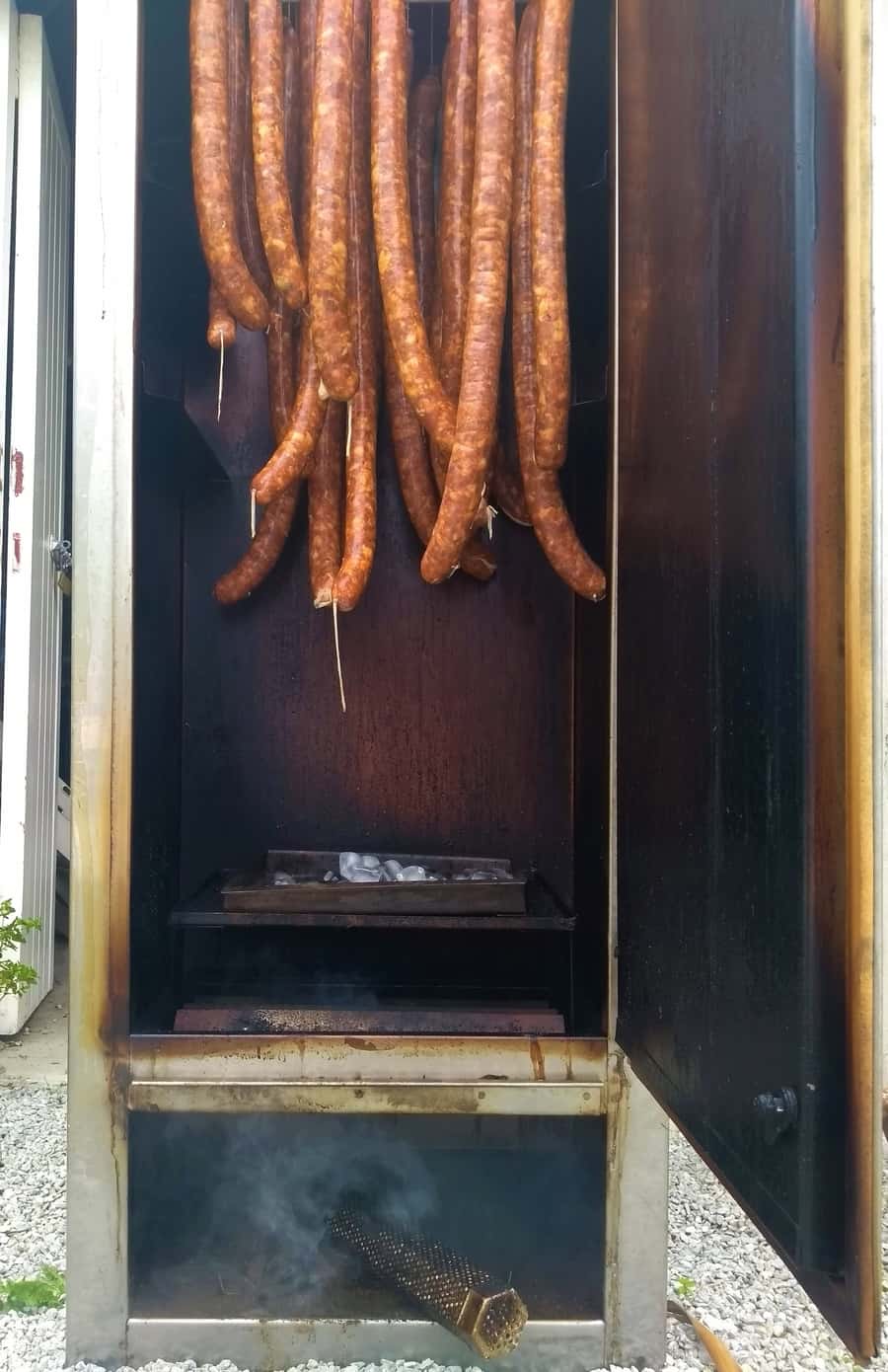
This is a traditional smokehouse example from Slovakia. What stood out to me was how steady the environment felt, thanks to the chamber’s natural airflow and the cool, consistent outside conditions.
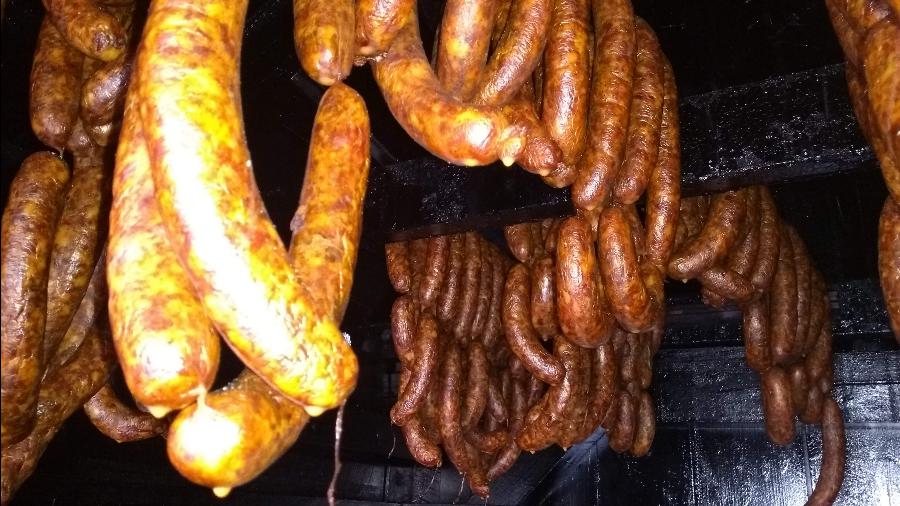
The big takeaway is that stable airflow and stable conditions reduce the need for constant adjustment. When you recreate that stability at home, the temperature targets in the table become much more achievable.
For further details, here is a cold smoking overview video I created.
Frequently Asked Questions
What is a good cold smoking temperature range for most foods?
For many home projects, a practical target is a cool-smoke environment around 10–20°C (50–70°F), then adjust airflow and humidity so the smoke stays clean and steady.
Why does humidity matter when cold smoking?
Humidity affects how quickly surfaces dry and how smoke settles on the food. When humidity is too low, food can take smoke unevenly, which is why many sessions feel easier in more stable, moderately humid conditions.
How do I keep my cold smoking chamber from drifting warmer?
Separation helps most. Keep the smoke source away from the food chamber, use steady airflow, and plan sessions when outdoor conditions are more stable so the chamber does not swing up and down.
Why do people dry food before cold smoking?
A dry surface helps smoke adhere more evenly. For many proteins, forming a pellicle creates a consistent surface that takes on smoke in a controlled way across single or repeated sessions.
What are you cold smoking right now, and what temperatures are you seeing in your setup? Share your setup and conditions in the comments and I will help you troubleshoot the temperature control.

Tom Mueller
For decades, immersed in studying, working, learning, and teaching the craft of meat curing, sharing the passion and showcasing the world of charcuterie and smoked meat. Read More
How do use the temp/humidity meter you show links too – inside the smoke chamber? Will it function in a smoke environment? Or do you just monitor externally? This is the only problem I need to solve – any direction on how to integrate humidity measurement is appreciated.
I go by local weather, so in autumn/winter is always over 70% humidity, so inside the cold smoker it will be the same. I’ve used inkbird controllers to just gauge humidity and temp if I am doing in the warmer months. Its only a wire and probe that goes in the smoker.
Go with the seasons instead of trying to hack the environment, if its conducive to your locale.! Cheers T
Tom
I have a smokai smoke generator
I live in Vancouver Canada on the coast almost always high humidity
So much condensation in my smokai
Pellets are dry
Any ideas
Kelvin
Thats an interesting challenge, different to most. dehumidifier for smoker? 80% humidity is generally great for me.
Ambient temperature v smoking temperature????? Meat 15deg c + ambient?
please explain