
Cured meat and smoked meat cross over in a few places, but they are built on two different ideas.
I’ve been keen on both for years, from dry-cured meats I make in a DIY curing chamber (bresaola, pancetta, and plenty of experiments) to cold smoking cheeses, vegetables, mushrooms, and more. On the other side, I also love BBQ-style smoking for brisket, ribs, and pork, where smoke and time do the heavy lifting.
The simple difference: curing is primarily about salt and time, changing the meat (firming it, concentrating it, and shaping texture and flavor). Smoking is primarily about smoke flavor and the outcome depends on the style: hot smoking cooks, while cold smoking adds smoke and gently dries after the meat has been cured.
Once you see curing as a “salt-driven transformation” and smoking as a “smoke-driven finish,” the rest of the topic gets much easier. Below, I’ll break down what each method is, the main categories inside each, and where they overlap in real-life projects.
What Is Cured Meat?
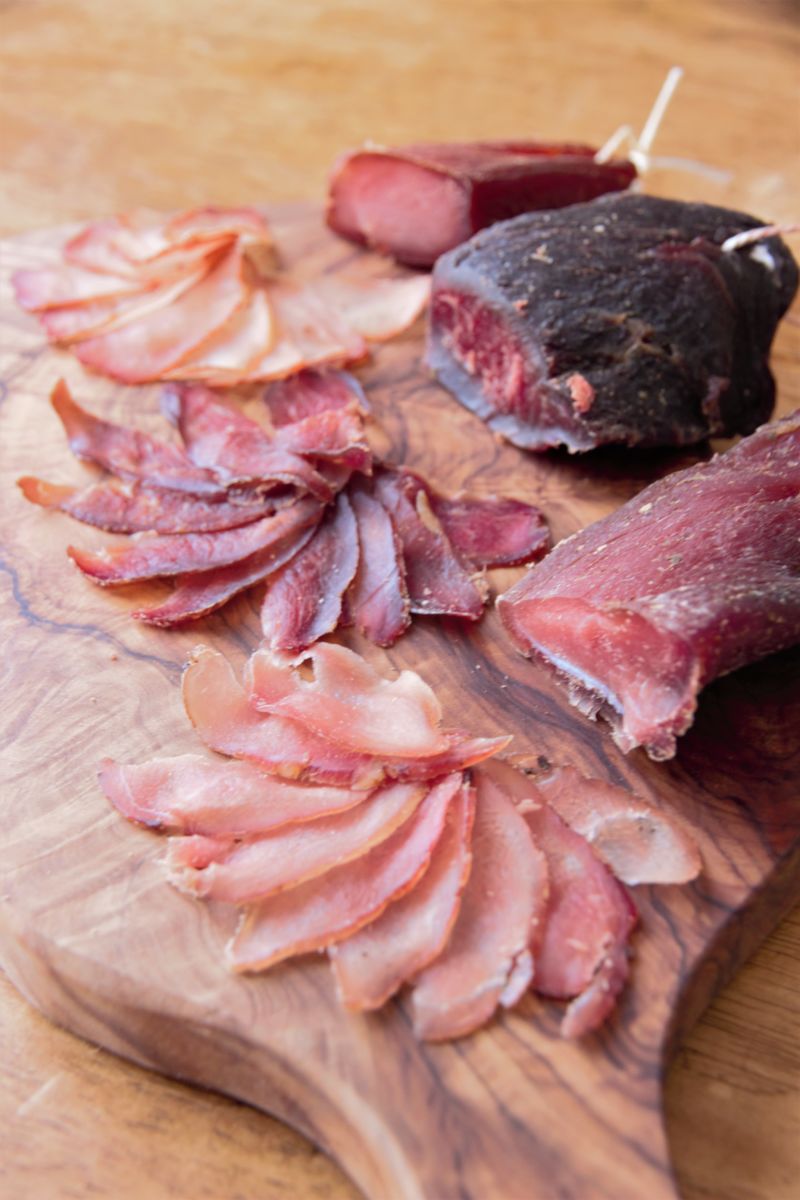
Cured meat has been around for centuries, and it started as a practical way to make meat last and travel well across seasons. Over time, it also became a craft, because salt, time, airflow, and spice can create flavors you simply do not get from fresh meat.
In day-to-day terms, cured meat is meat treated with a dry cure or a wet cure. Most cures are based on salt, often with sugar, spices, and sometimes curing salts depending on the style you are making.
When I’m explaining curing to someone new, I keep it simple: curing draws out moisture, firms the texture, and builds a deeper, more concentrated flavor. That’s why a thin slice of cured meat tastes “bigger” than the same cut cooked fresh.
If you’re new to the whole world of curing and smoking, it helps to start with simple wins and build confidence from there. I put together a list of easy beginners projects that keep the gear and steps straightforward.
Dry-Cured vs. Cured to Be Cooked (Prosciutto vs. Hot Smoked)
Inside the bigger “cured meat” umbrella, I think of two main lanes. There are dry-cured meats made to be sliced and served as-is, and cured meats that are usually cooked as part of the eating experience.
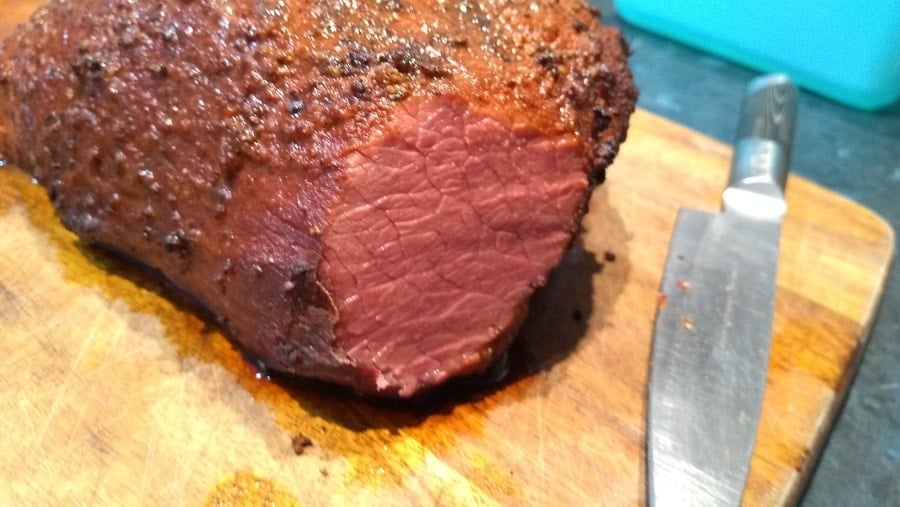

Prosciutto is the classic mental model for dry curing: you build flavor and texture over time, then slice it thin and enjoy it. If you want a deeper look at types and serving style, I wrote more on whether prosciutto can be eaten raw across different variations.
Dry-cured meats can feel like a completely different ingredient compared to the fresh cut you started with. They go firmer, slice cleaner, and deliver a concentrated bite that works well in small portions.
Then there are cured meats that are usually cooked as part of the final experience, like traditional bacon. The cure still brings flavor and a familiar “cured” character, but the end result people chase is the cooked texture and richness.
If you’re putting together a platter or a recipe and you want a similar vibe to prosciutto, I also listed some prosciutto substitutes that make sense depending on what you are cooking.
What Is Smoked Meat?
Smoked meat is all about exposing food to clean smoke so it picks up aroma and flavor. Depending on how you do it, smoking can also dry the surface, deepen color, and change texture in ways that are hard to replicate with any other cooking method.
I like to think of smoking in three practical categories, because it keeps the decision-making simple and matches the gear most people have at home.
- Hot direct smoked: cooked with smoke as the heat source (may be cured first or not)
- Hot indirect smoked or BBQ low and slow: cooked with smoke in a separate heat zone (may be cured first or not)
- Cold smoked: smoke flavor plus gentle drying, and this starts with curing first
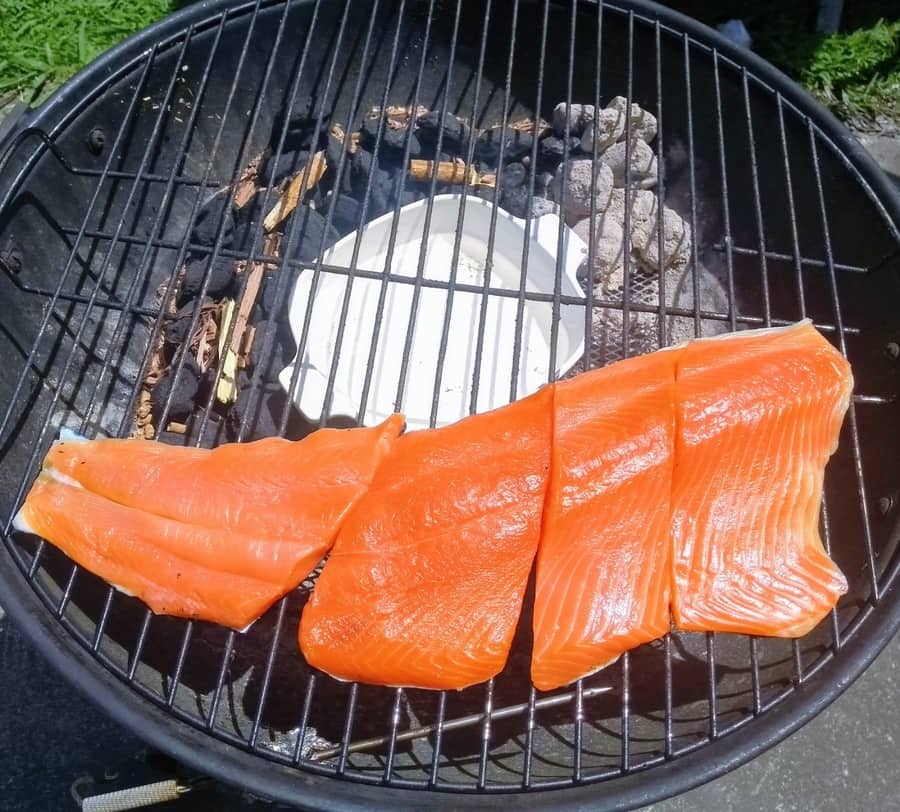
Hot smoking is what most people picture: you are cooking while smoke adds flavor. Direct hot smoking is closer to grilling with smoke involved, while indirect hot smoking is the BBQ lane where time, steady heat, and airflow create that classic smoke-driven finish.
Cold smoking is different because the goal is not cooking. It’s more like applying a smoke “seasoning layer” over time, usually after curing, so the outside takes on smoke aroma and the surface continues to dry.
Hot Smoked and Cold Smoked
For cold smoking, the starting point is curing. That’s why this topic overlaps so much with charcuterie. If you’ve ever wondered whether smoke alone can do the job, I broke that down in can you cure meat with smoke, because the processes get confused all the time.
Hot smoking can be as simple as a rub and smoke, or you can cure first if you are aiming for a specific style and flavor profile. Either way, you are using smoke as part of the final character, not as the foundation of the method.
Cold smoking tends to run longer, but more time does not always mean more smoke flavor. There is a point where the surface has taken on what it will take on, and from there it becomes more about maintaining a steady environment and letting the finish develop.
When I’m cold smoking cured meats, I’m usually hanging pieces so smoke can circulate evenly and the surface stays clean and dry. Wood choice matters here, and I put my go-to options and why they work in best woods for smoking cured meats.
If you want the broad flavor picture across cured and smoked styles, I also wrote a dedicated piece on what charcuterie tastes like and how smoke and curing create different “lanes” of intensity.
For an outside reference that explains smoking from a big-picture food processing perspective, Britannica has a concise overview of smoking in food processing that matches the basic categories well.
BBQ Smoked / Low & Slow Smoked (Rub Often, Not Always Cured)
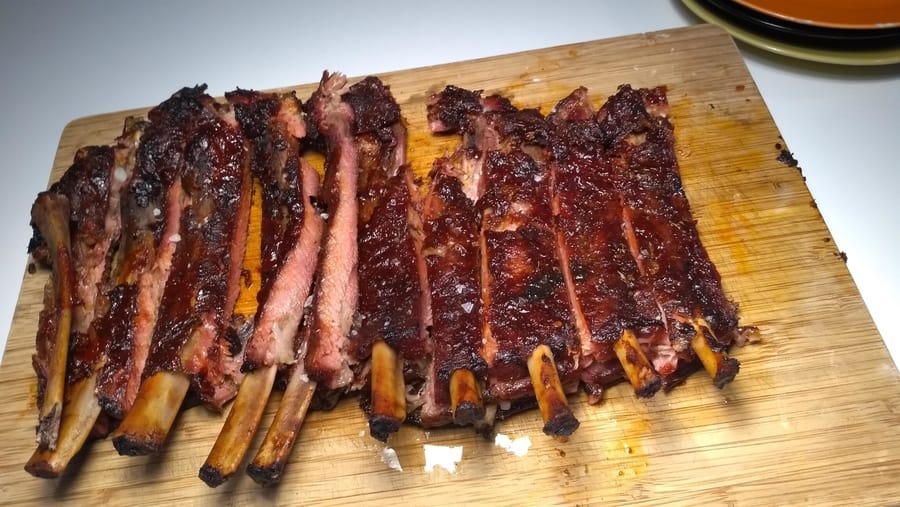
BBQ low and slow is where a lot of people fall in love with smoke. You are not trying to dry the meat like a cured product, and you are not chasing a delicate “smoke finish” like cold smoking. You are aiming for tenderness, bark, and that deep, smoky aroma that builds over hours.
Most of the time, BBQ smoking starts with a rub rather than a cure. A rub is your quick flavor foundation, then smoke and time build the rest. This is also why BBQ can feel simpler than dry curing or cold smoking: it’s less about controlled transformation and more about managing heat, airflow, and steady smoke.
Whether you cook on a kettle grill, an offset, a ceramic cooker, or something improvised, the same big idea applies. Keep the smoke clean, give the meat space for airflow, and let time do its thing.
On the curing side, Britannica also has a quick reference on curing as a preservation process. I like it as a simple definition you can compare against the smoked meat definitions above.
BBQ smoked ribs, anyone? Sign me up.
Frequently Asked Questions
What is the main difference between cured meat and smoked meat?
Cured meat is built around salt and time changing the meat’s texture and flavor. Smoked meat is built around exposing food to smoke so it takes on aroma and a smoke-driven finish, either while cooking (hot smoking) or as a longer smoke-and-dry finish after curing (cold smoking).
Is cold smoking the same thing as hot smoking?
No. Hot smoking is cooking with smoke as part of the flavor. Cold smoking is a smoke finish that is typically done after curing, where the smoke is applied over time and the surface continues to dry and develop.
Do you have to cure meat before cold smoking?
For meat projects, cold smoking is typically paired with curing first. The cure shapes the texture and gives you the style foundation, then cold smoke adds aroma and a distinct finish.
Where does BBQ low and slow fit in?
BBQ low and slow is a form of hot, indirect smoking. It often starts with a rub rather than a cure, and the outcome people chase is bark, tenderness, and a deeper smoke character built over hours.
What are you making right now, a cured project, a smoked project, or a mix of both? Drop a comment with what you are working on and what gear you are using.
Tom Mueller
For decades, immersed in studying, working, learning, and teaching the craft of meat curing, sharing the passion and showcasing the world of charcuterie and smoked meat. Read More
I am trying to refine a Pastrami recipe, starting from a brisket cut. (not a ready made corned beef). I see so many different ratio of Instacure/salt ratio. Will your calculator provide the anticipated results for this process
Hey Brian,
You need a recipe! Most recipes won’t know about equilibrium curing, it’s about precision! That’s why I love it!
Pastrami is cured and cooked, this calculator can be used for that, check out Hank’s venison pastrami it’s using Eq Curing.
Cheers
T
still don’t understand the differences btwn sausage that is-
grilled, cooked, smoked, cured, dried, bbq, which one doesn’t need refrigeration after 2 hours?
thanks
-m
Trying to define the difference takes about 10 minutes of typing, I will try for you!
Grilled, Cooked = cooked to internal temperature = steak, pork chops etc…
hot smoked whole muscle meat = smoked/cooked to internal temperature = smoked ham, pastrami, low and slow bbq falls into this group, you can make hot smoked bacon (cooked to internal temop, then recooked for crispiness)
Dried no salt = Traditionally can be done from raw, on open fire (cold smoke lets say) – never been game enough to try it
Dried whole muscle with salt curing = dry cured meat = pancetta, prosciutto, braesola, cold smoked bacon falls into this group BUT you dont fully dry to 35% weightloss for bacon since you are cooking it
Super Dried Salt Cured Meat = Jerky – very dry like 60 or 70+% weightloss
Dry Cured salami with salt curing = same as above, salt curing, often fermentation stage to change acidity (bacteria doesnt like acidity, under 5.3 pH) = Genoa, Pepperoni, Picante.
Dry Cured and Vinegar Denatured (cooking with acid) = Biltong (South African dried meat) – like
I refrigerate pretty much everything since it slows bacteria. But I dont quite understand after 2 hours question. Salt binds to meeat cells and diffuses inside meat, it inhibits the cells so bacteria can’t spoil the meat as easily. There is salt for seasoning, then at about a point of 2%-5%, weight to meat weight it is strong enough to ‘cure’, so that it can be ‘dried’ for preservation and flavour. or 10%+ for salt pork salt for dry cured
Help these definitions help a little, I’ll think about writing a big article on this soon!
Cheers
Tom