
Bacon-making gets confusing fast. People hear “curing,” “brining,” “smoking,” and “drying,” and it starts to feel like one big blur. Once you separate it into a simple workflow, it becomes easier to choose a method that fits the equipment you already have.
This guide focuses on bacon-making methods and home-smoking options. It covers the traditional dry-cured approach, the two common hot-smoked variations, and a simple no-smoker workaround when you want smoke flavor without running a smoker.
The order stays consistent. Cure first, then dry the surface so smoke grabs properly, then either cook with smoke or cold smoke while drying further. The main decisions come down to dry cure vs wet cure, and hot smoke vs cold smoke.
Bacon Making: Methods & Smoking Options
What you are really choosing is how you want smoke to show up in the finished bacon. You can build deep smoke character over time, cook gently while smoke rolls through the chamber, or use a small workaround if you do not have a smoker.
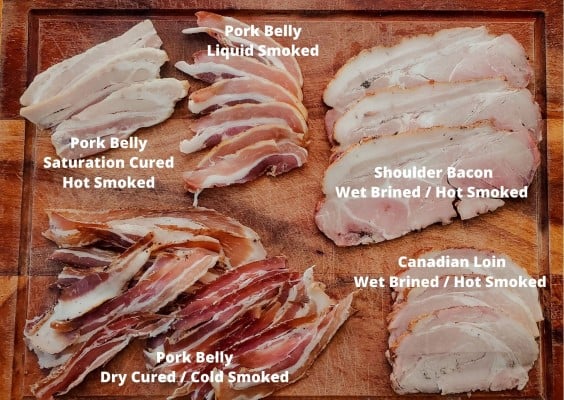
Wet brining tends to produce a more uniform, ham-leaning bite. Dry curing tends to push spice and herb notes forward and makes the pork taste more concentrated. Both can be excellent, and the smoker choice matters less than keeping the process consistent.
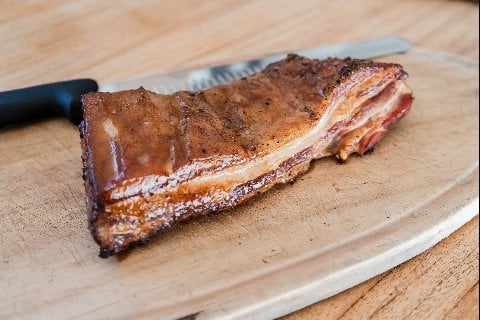
In the next section, the methods are ordered the way I think about them in real life: traditional first, then the hot-smoked routes, and finally the no-smoker workaround.
Bacon Methods
Each method below works. The best choice depends on what result you want and how hands-on you want the smoking stage to be.
Traditional: Dry Cured, Cold Smoked, and Dried Bacon
This is the classic route. You dry cure the pork, dry the surface so smoke clings evenly, then cold smoke in lighter sessions while the slab dries and concentrates. When it lands well, you get layered smoke character and a deeper pork-and-spice profile.
This “all methods” overview is a good reference point if you want to compare approaches side-by-side without bouncing between multiple posts.
Wet Brined, Cooked & Smoked Bacon (Hot Smoked)
Wet brining (sometimes called pickling) tends to give you a more uniform, “ham-style” bite. Once cured, I like to dry the surface well, then cook it low and slow in a smoker so the smoke has time to cling and build.
Hot smoking is also the most forgiving if you want a straightforward result without multi-day smoking sessions.
If you want a clean explanation of how hot and cold smoking differ, this breakdown on hot smoking vs. cold smoking makes the choice clearer without overcomplicating it.
Dry Cured, Cooked & Smoked Bacon (Hot Smoked)
Dry curing is my go-to when I want bold seasoning. You rub salt and spices directly onto the pork, let time do its thing, then dry the slab so the surface becomes tacky and smoke-ready. After that, the hot-smoke cook is very similar to the wet-brined approach, just with a different flavor backbone.
No Smoker Hack: Liquid Smoke Bacon
Liquid smoke is not a main traditional method. It is a simple workaround when you do not have a smoker, or when you want a small smoke note without setting up a full smoking session. Used lightly during curing and again while the slab dries, it can create a convincing smoke character without a smoker.
For a quick reference on what liquid smoke is and how it is generally produced, this overview is a straightforward explainer.
Smoker Types That Work for Bacon
Once you know the bacon style you want, choosing equipment becomes simpler. The sections below map the smoker type to the bacon methods it handles best.
Charcoal and Wood Indirect Smokers
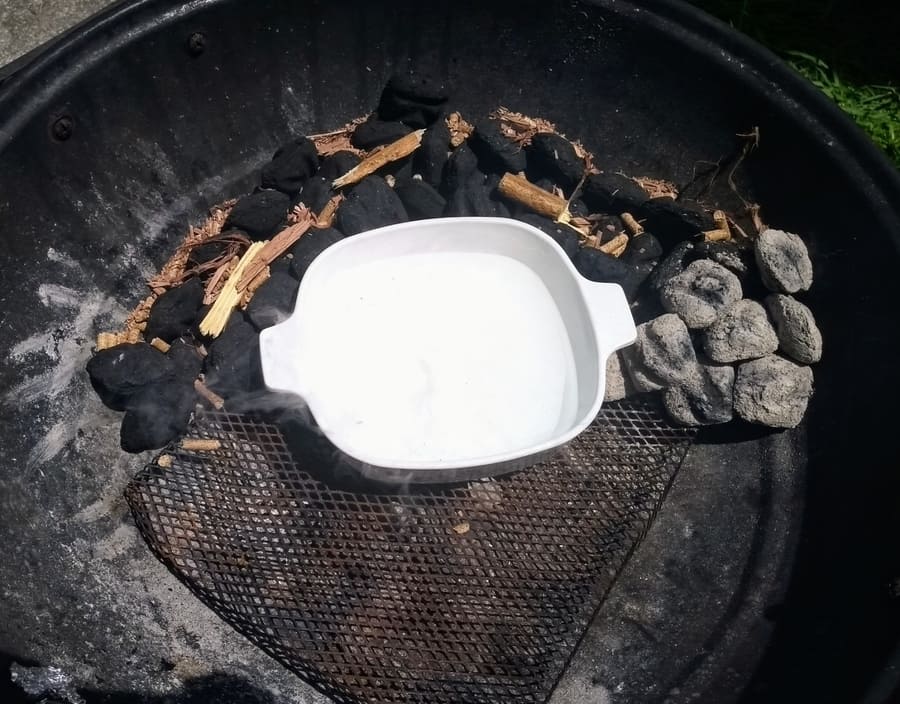
These are classic low-and-slow machines. Kettle, drum, barrel, offset, and vertical charcoal smokers all fall into this bucket. They are built for indirect hot smoking, and they do bacon well when the cook stays gentle and steady.
With a pellet tube, maze, or smoke generator, many of these can also be adapted for cold smoking. If you want the simple “idea list” version of that, the DIY cold smoker ideas page covers the most common approaches.
- Kettle smoker
- Drum smoker
- Barrel smoker
- Offset smoker
- Charcoal vertical smokers
Electric and Gas Smokers
These are convenient because they can hold a steady cooking environment for hot-smoked bacon. For cold smoking, accessories can help, but chamber size and airflow still matter.
Tip: Hanging bacon tends to expose more surface area than laying it flat on racks. If a rack blocks contact points, those areas can come out lighter on smoke, so hanging can produce a more even surface finish.
Pellet Grill Smokers
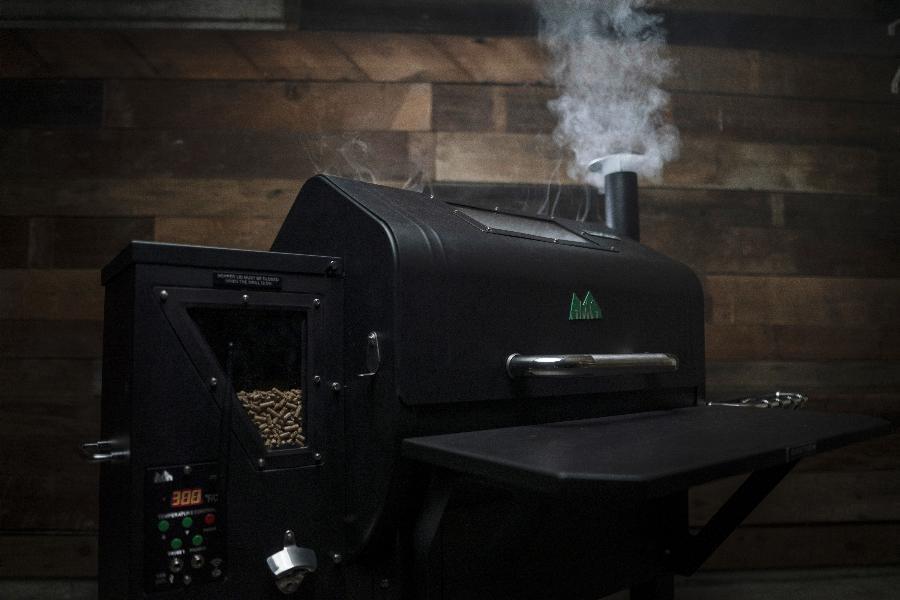
Pellet grills are thermostat-driven and easy to run. For hot-smoked bacon, they are a consistent “set-and-check” style cook. For cold smoking, you usually need an add-on smoke source rather than relying on the grill as-is.
Gas Grill Indirect with Pellet Tube or Smoke Generator
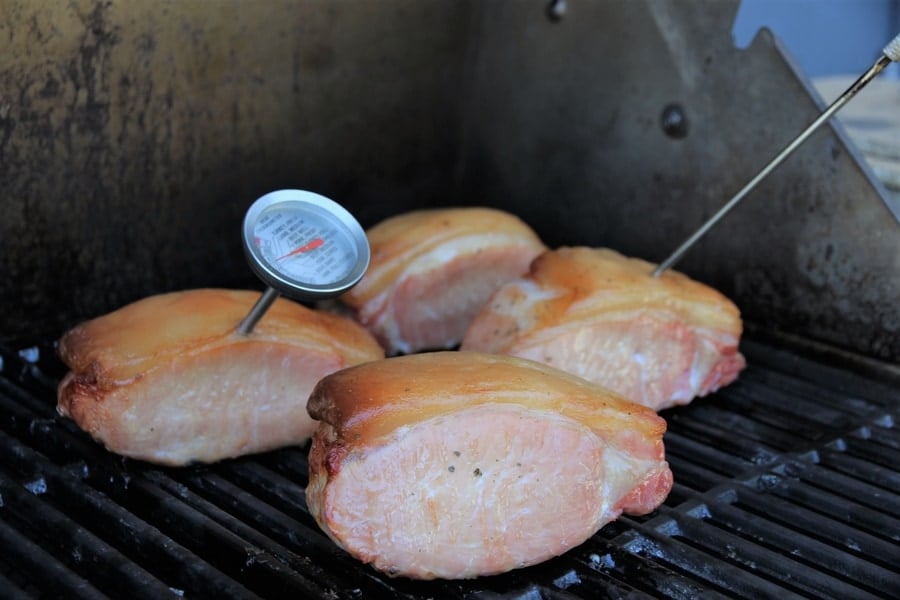
A gas grill can be effective for bacon if you use indirect heat and add smoke with a tube, maze, or generator. It is a practical route when you do not want another cooker taking up space.
Smokehouse
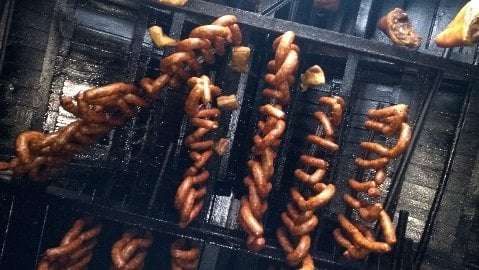
Traditional smokehouses generate smoke in one area and guide it to a separate chamber. That separation is a big part of why they are so effective for cold smoking projects. If you enjoy “old world” approaches, this style of setup is a classic for a reason.
A Repeatable Process That Works Across Methods
When the goal is consistent bacon, the biggest wins come from repeatability. Measure accurately, keep the steps consistent, then adjust one variable at a time. That is why I lean on equilibrium-style curing for most of my bacon projects.
If you want the deeper breakdown of how equilibrium curing works, this guide to equilibrium curing lays out the process clearly.
Step 1: Choose Your Cut and Shape It for Your Bag
Pork belly is the classic, but loin, shoulder, and jowl all work well too. The goal is a uniform slab so curing and smoking behave predictably.
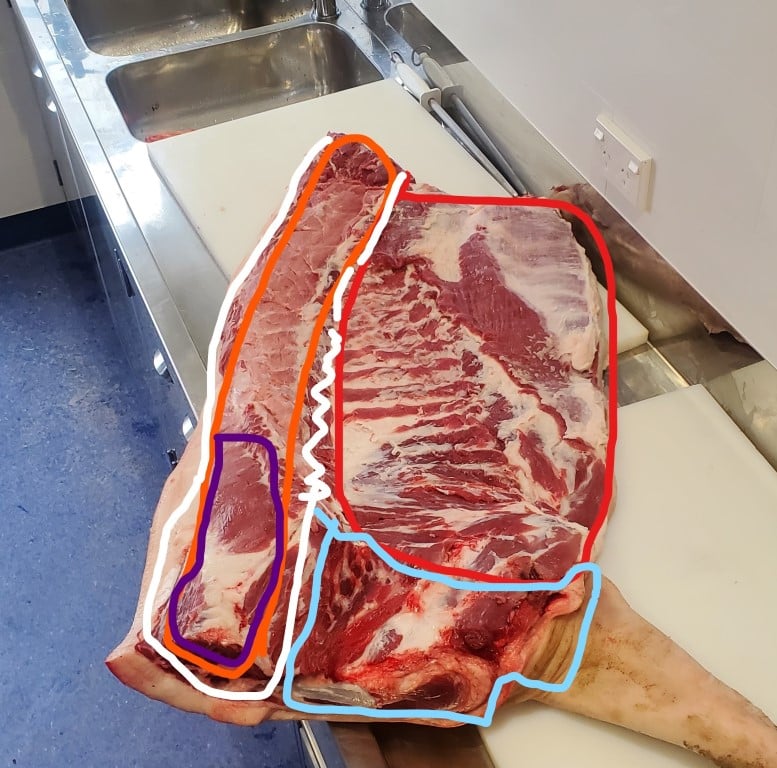
| Cut of Meat | Description |
|---|---|
| Shoulder | Great flavor, good meat-to-fat balance |
| Loin | Leaner, cleaner bite with a milder fat profile |
| Jowl | Rich, fatty, big payoff if you can source it |
Step 2: Mix Your Cure by Weight
Salt measurement is where most “good” bacon turns into “almost” bacon. Different salts pack differently, so volume measurements drift. Weight keeps the recipe repeatable across batches.
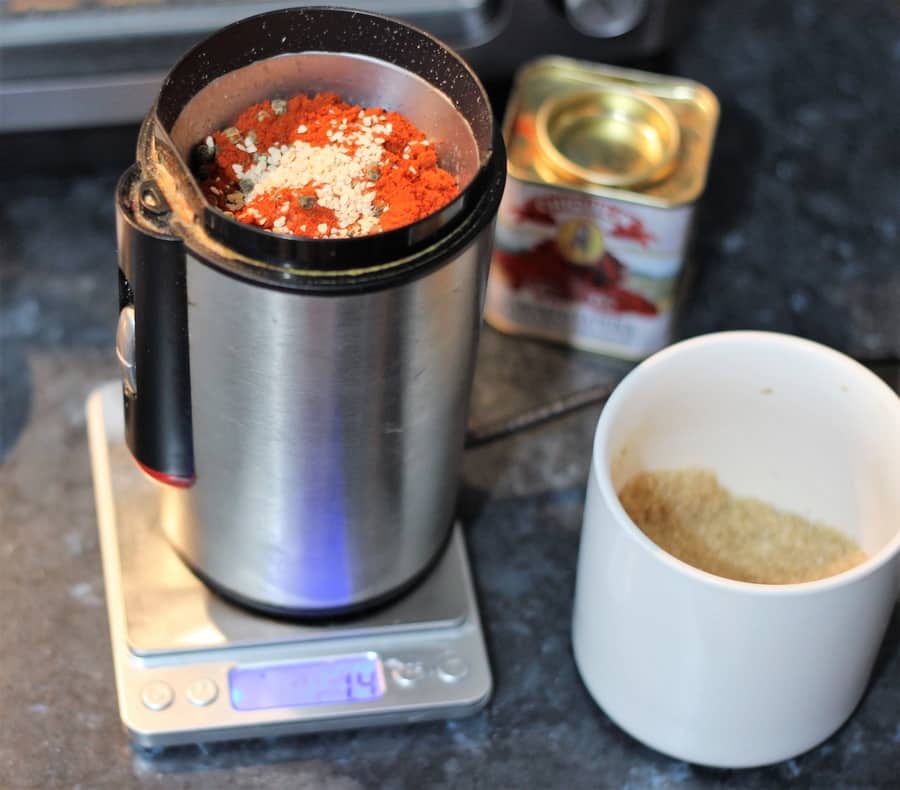
Once salt is set, spices become the personality layer. Garlic, juniper, and pepper are easy staples, and dried herbs can be used lightly because they amplify quickly.
Step 3: Bag Cure, Then Dry the Surface
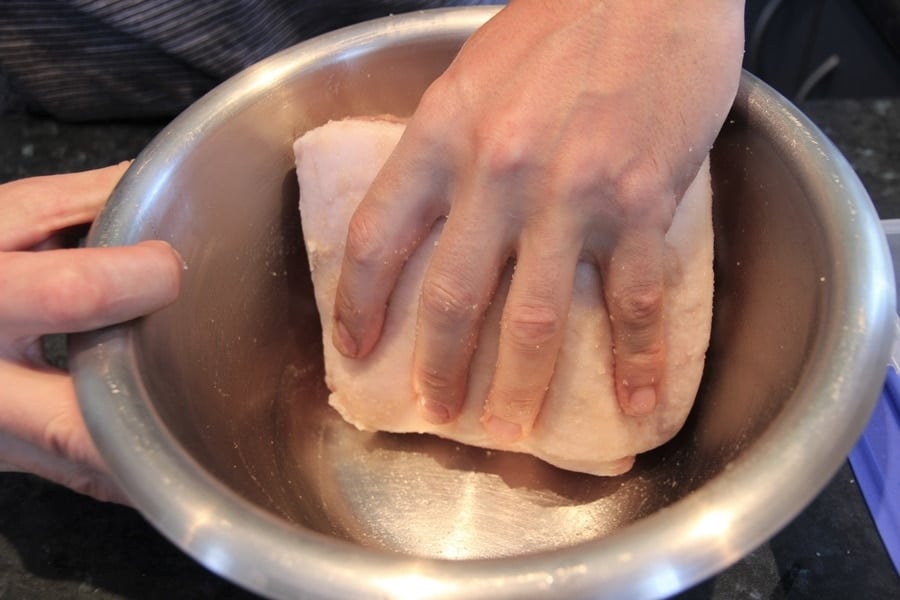
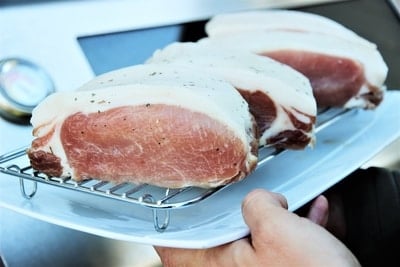
After mixing the cure, work it over every surface, then put the slab and any remaining cure into the bag. After curing, dry the slab uncovered so the surface firms up and becomes smoke-friendly.
This is where the pellicle matters. If you want the full breakdown of what it is and why it helps smoke adhere evenly, this guide on understanding the pellicle explains it in detail.
Step 4: Add Smoke the Way Your Setup Supports Best
For hot smoking, the goal is a gentle, steady cook where smoke has time to build without rushing. For cold smoking, the goal is lighter smoke in sessions with airflow so the flavor stacks cleanly.
A pellet tube is one of the simplest add-ons for a basic chamber or gas grill setup. This guide on how a smoker tube works explains where it fits for cold smoking vs hot smoking.
This is an example of the style I’m referring to on Amazon here.
Step 5: Slice and Store the Smart Way
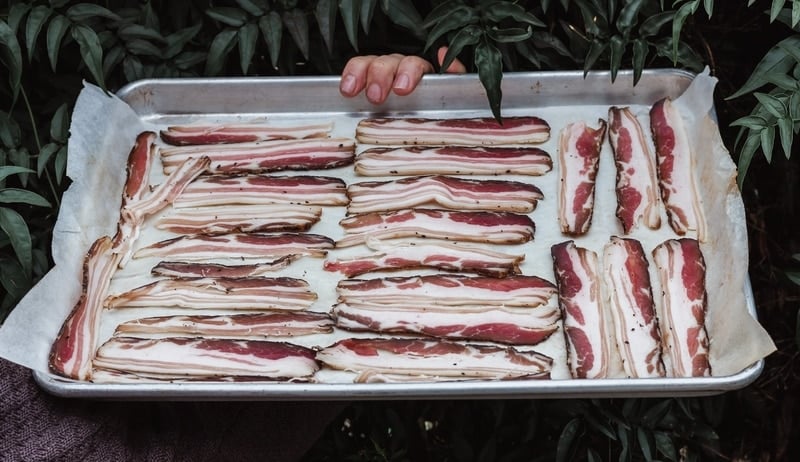
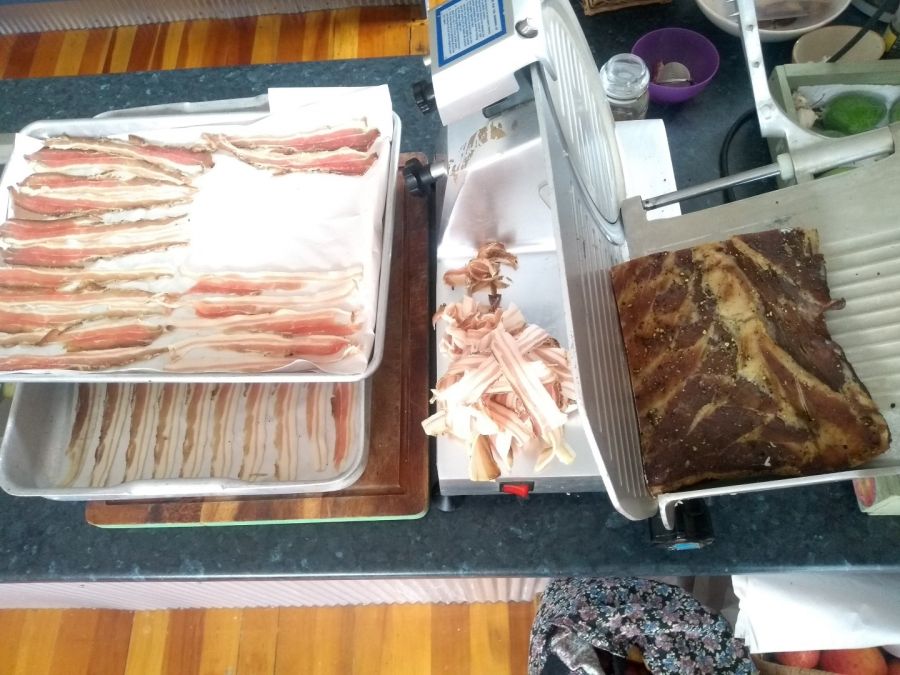
A simple quality-of-life move is slicing, laying slices on parchment, freezing them flat, then bagging them once firm. It turns bacon into a grab-and-go ingredient and keeps portions simple.
FAQ
What bacon methods does this guide cover?
This guide covers the traditional dry-cured cold-smoked-and-dried method, two hot-smoked methods (wet brined and dry cured), and a no-smoker workaround using liquid smoke for smoke flavor without running a smoker.
What is the easiest smoking option for a first bacon project?
Hot smoked bacon is usually the simplest place to start because you cook gently while adding smoke in one run. Traditional cold smoked bacon is built in lighter smoke sessions while the slab dries and intensifies.
Why does drying the surface before smoking matter?
Drying the surface helps form a tacky layer so smoke clings evenly instead of patchy. It is one of the small steps that makes a big difference in the finished look and smoke character.
What bacon method are you planning to try first, and what setup are you working with at home? Leave a comment and share the details.

Tom Mueller
For decades, immersed in studying, working, learning, and teaching the craft of meat curing, sharing the passion and showcasing the world of charcuterie and smoked meat. Read More