
I’ve used hot and cold smoking in every way possible, both direct and indirect, across plenty of foods over many decades.
Once you understand what each method is doing, you still need a little practice to dial it in. I’ve found it’s less about following a strict checklist and more about paying attention to how the smoke smells, how the surface looks, and how the chamber behaves.
Hot Smoking vs Cold Smoking: What’s the Real Difference?
Hot smoking is a cooking process where heat and smoke happen together inside the chamber. You can do it with direct heat for fast projects, or with indirect heat for gentler cooking and longer smoke contact. Meat is salt cured beforehand.
Cold smoking is smoke exposure at low chamber temperatures, with the smoke source separated so the food stays cool. It’s usually paired with salt-curing for meat projects, and the result is driven as much by airflow and humidity as it is by the smoke itself.
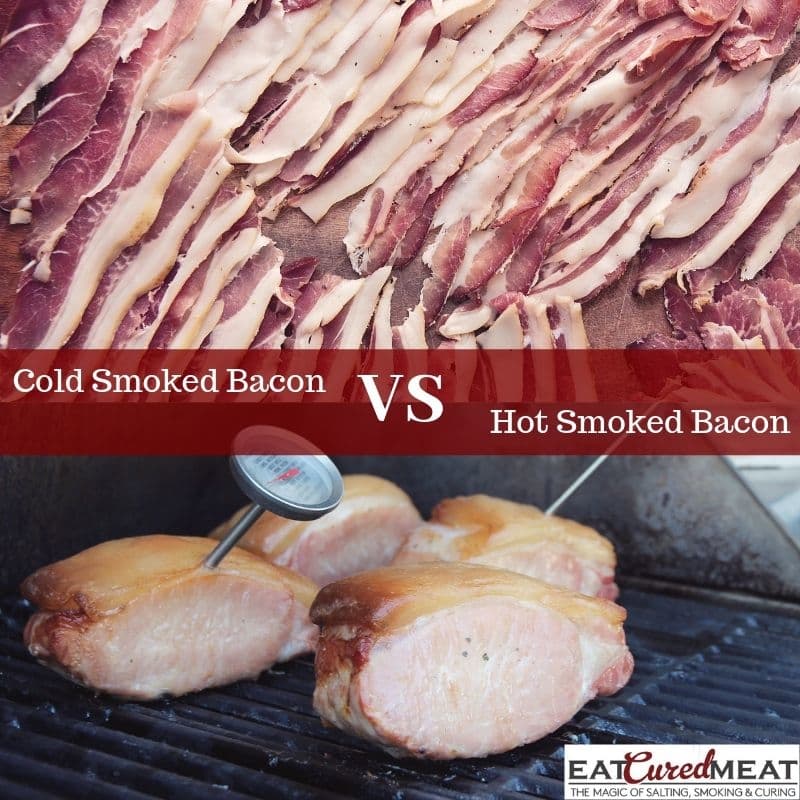
For a quick rule of thumb, hot smoking runs at cooking temperatures, while cold smoking stays in the low range where the chamber remains cool. Both can be done at home with simple gear, but the workflow and the final texture are noticeably different.
Smoking Technique Table
This table is the easiest way to see how the techniques differ: temperature range, typical setups, and the method’s goal.
| Technique | Smoker Options | Celsius/Metric | Fahrenheit/Imperial | Notes |
|---|---|---|---|---|
| Direct Heat Hot smoking | Wok Smoking, Portable Smoker | 90-135°C | 195-275°F | Often, meat is salt cured/brined before to hold moisture in the meat during the cooking/smoking |
| Indirect Hot Smoking | Electric/Propane Smoker, Charcoal (Kettle, Drum, Barrel), Offset Wood/Charcoal, Pellet Grill Smoker, Grill – Indirect with Add-On Smoker, Smokehouse | 100–160°C | 210-320°F | Often, meat is salt-cured/brined before to hold moisture in the meat during the cooking/smoking |
| Low & Slow Texas BBQ | Electric/Propane Smoker, Charcoal (Kettle, Drum, Barrel), Offset Wood/Charcoal, Pellet Grill Smoker, Grill – Indirect with Add-On Smoker, Smokehouse | 90-150°C | 195-300°F | Low temperature, with indirect heat. Inside the chamber, smoke to flavor |
| Cold Smoking | Pellet Tube Smoker, Smoker Generator, Maze Smoker, Smokehouse, Tunnel Smoker | 5-30°C | 41°F – 77°F | Cold smoking often involves drying and flavoring. It can also be used as part of traditional preservation workflows. |
Examples of Hot and Cold Smoking
These examples help clarify how people use each method in real life. Hot smoking is often about cooking with smoke, while cold smoking leans toward cool smoke exposure after curing and drying steps.
Hot Smoked (often salt-cured)
- Hot smoked bacon
- Hot smoked kransky sausage
- Hot smoked deli-style ham
- Hot smoked pastrami
- Hot smoked turkey
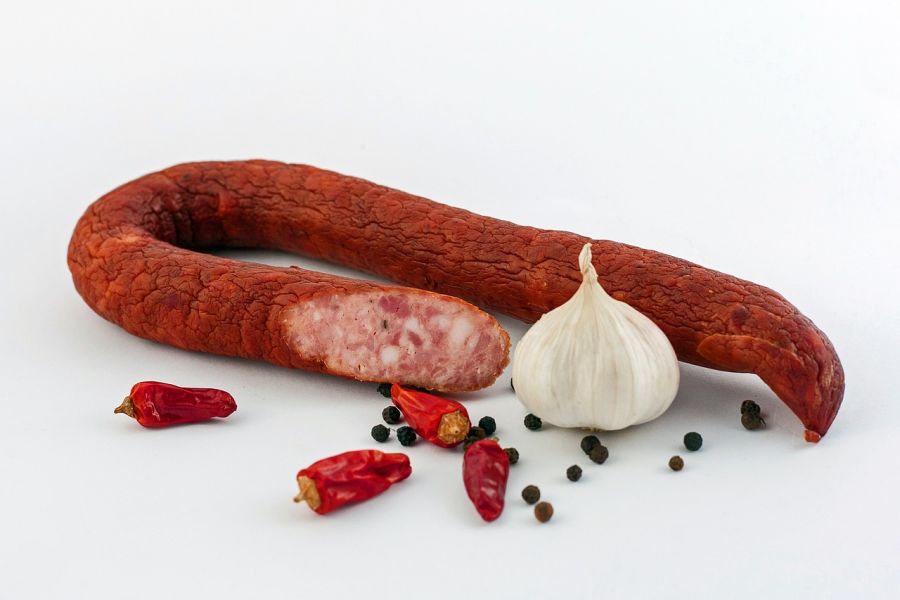
Hot Smoked Salami/Sausage – Cooked 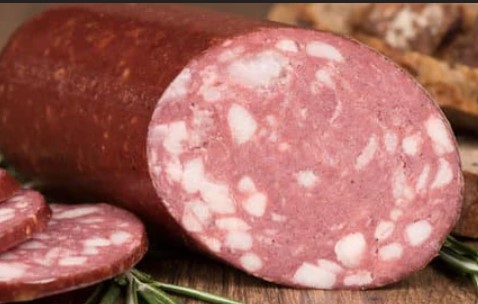
Hot Smoked Sausage – cooked 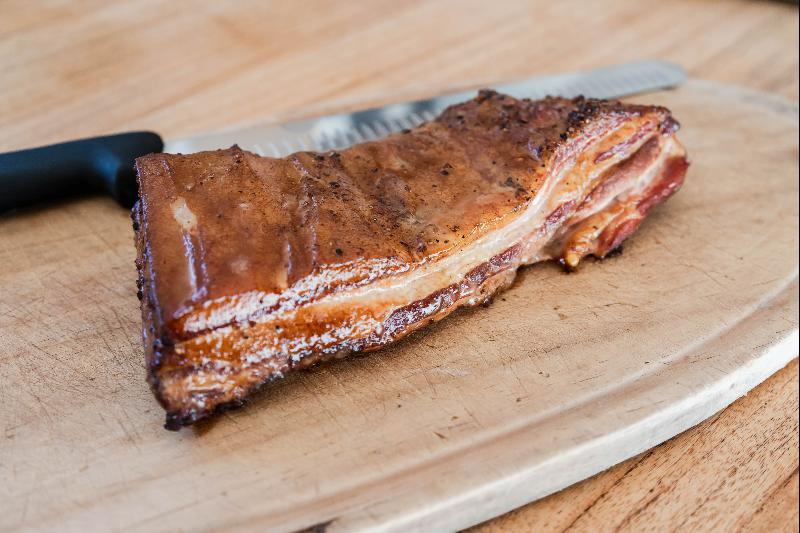
My Hot Smoked Bacon 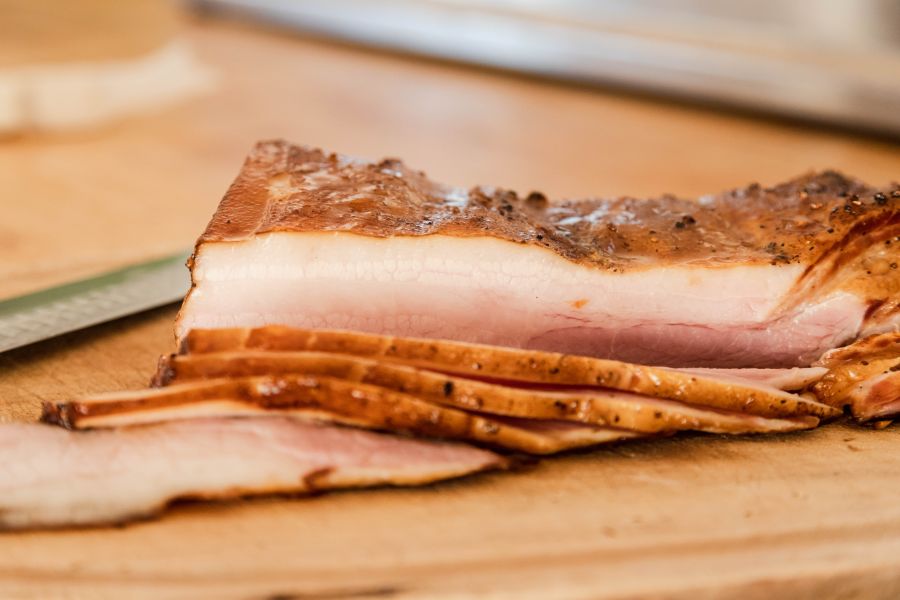
My Hot Smoked Bacon Part II 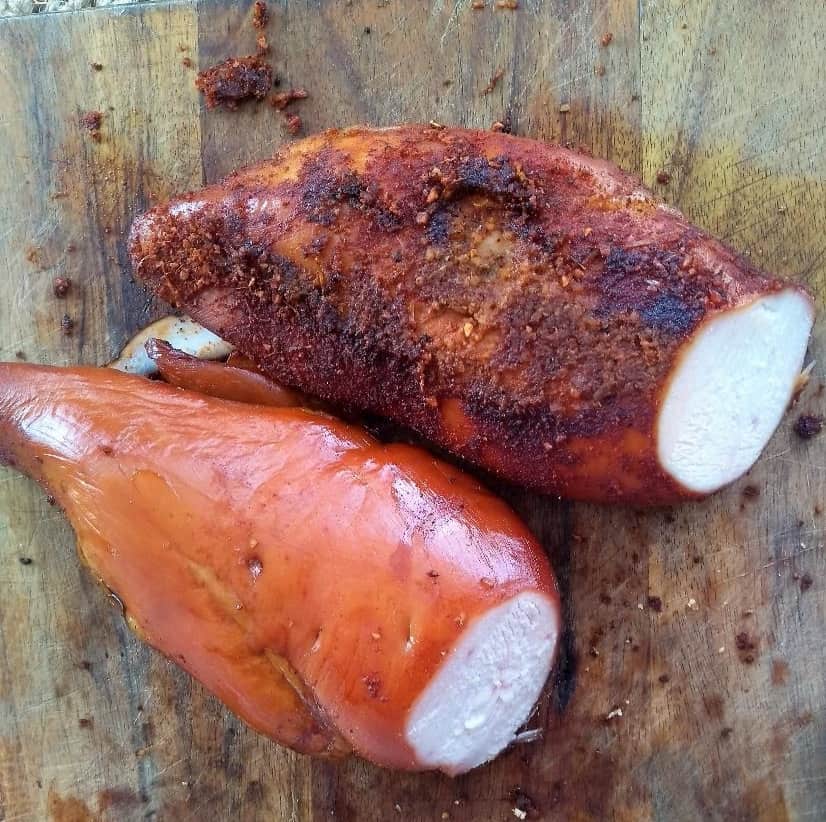
My Hot Smoked Chicken Breast 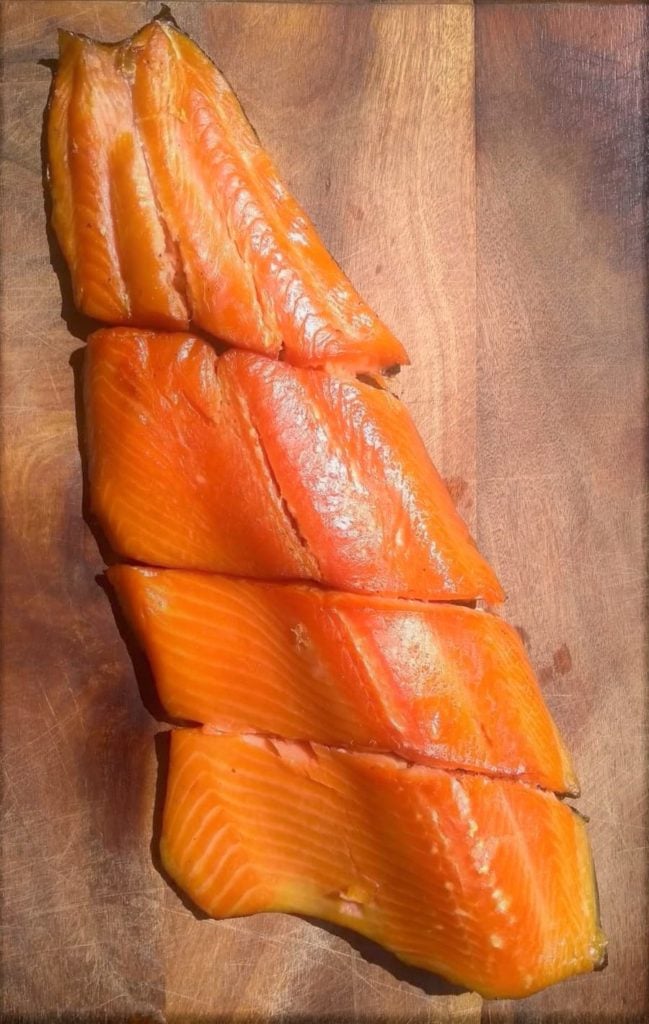
My Hot Smoked Salmon
Cold Smoking (often after salt curing)
- Cold-smoked bacon
- Cold-smoked salmon
- Cold-smoked kippers
- Cold-smoked dry-cured salami
- Cold-smoked salt, mushrooms, vegetables, spices, eggs, and chocolate
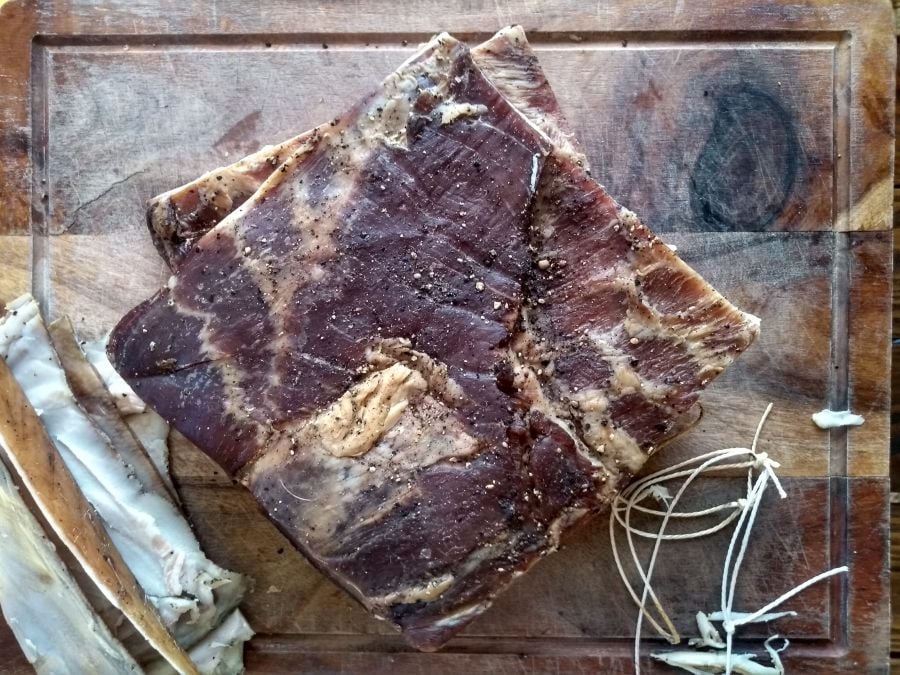
My Cold Smoked Bacon 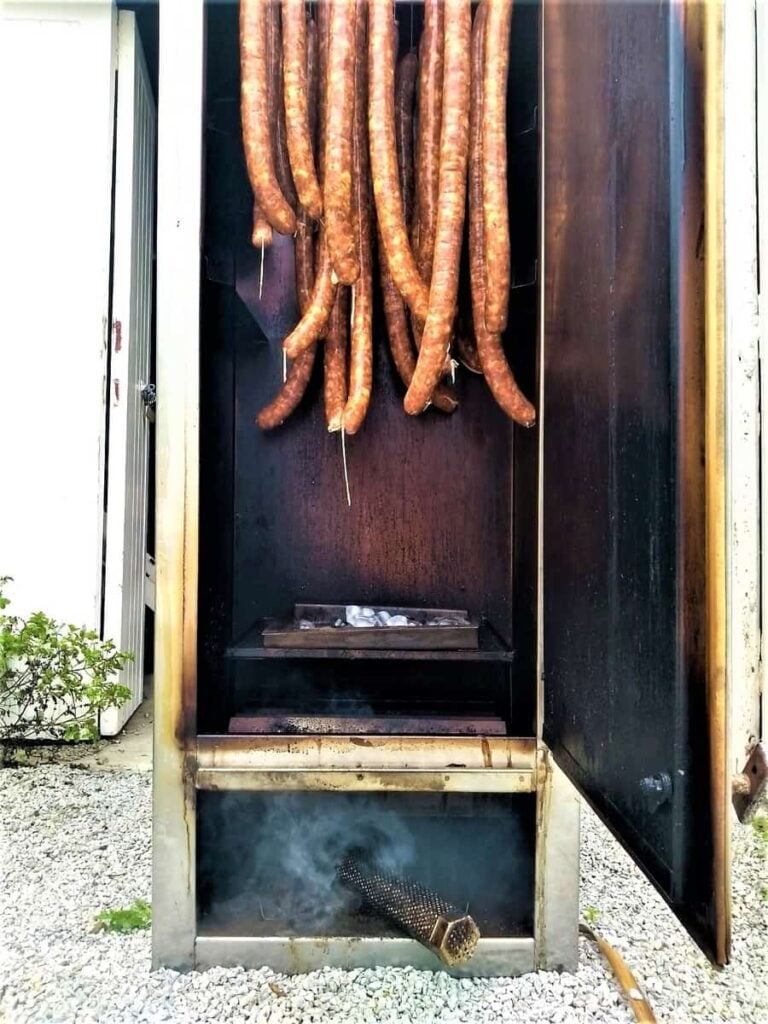
My Cold Smoked Hungarian Salami 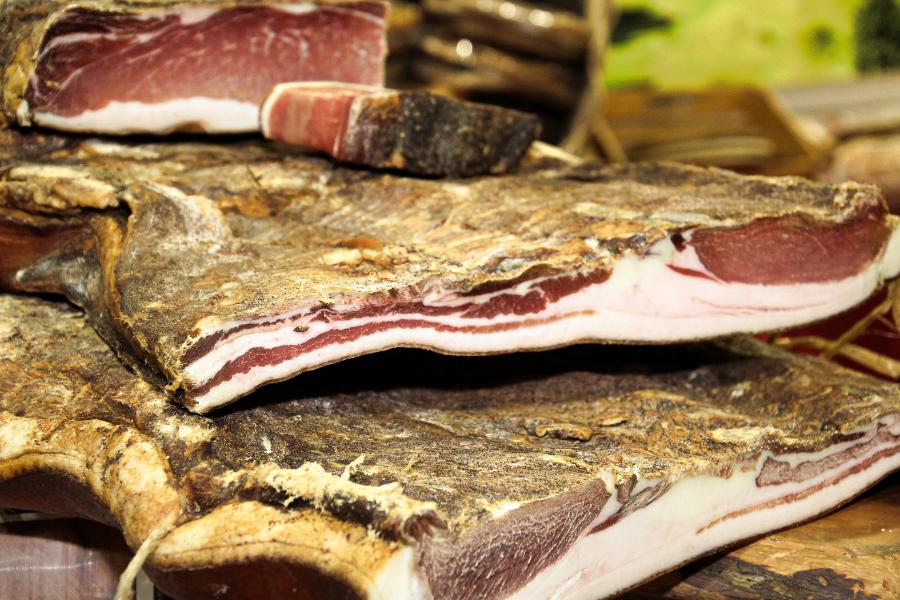
Cold Smoked Bacon 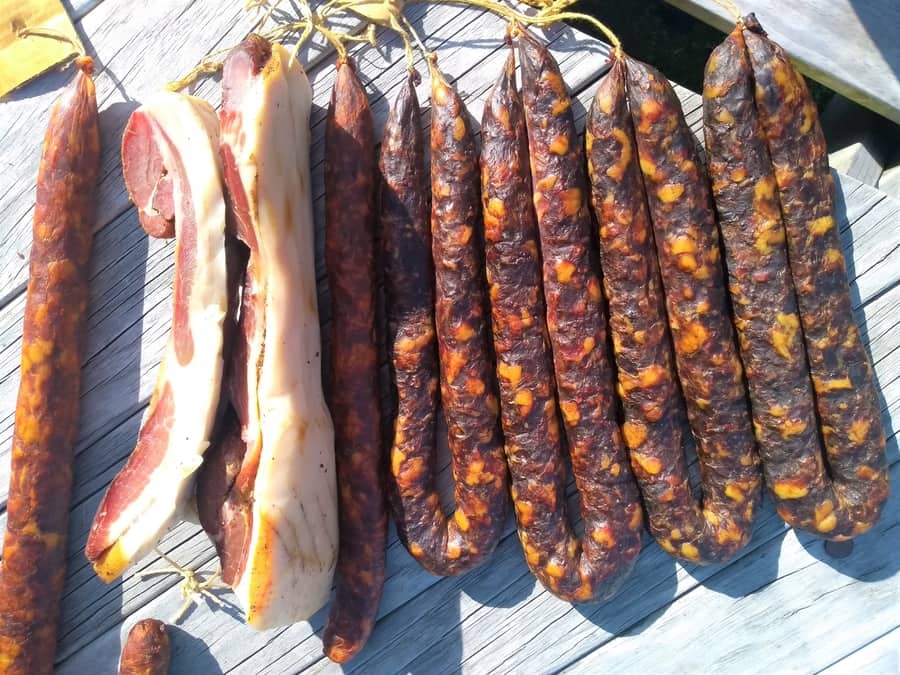
My Cold Smoked Bacon & Salami 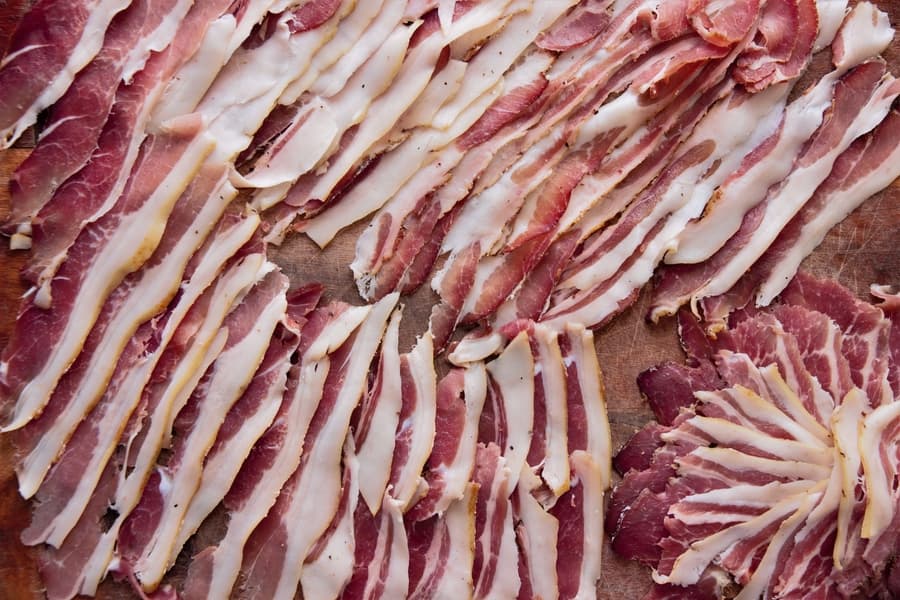
My batch of thinly sliced dry cured bacon
Low and slow hot smoking (often a dry rub rather than a full cure)
- Smoked pulled pork
- Smoked beef brisket
- Smoked pork ribs
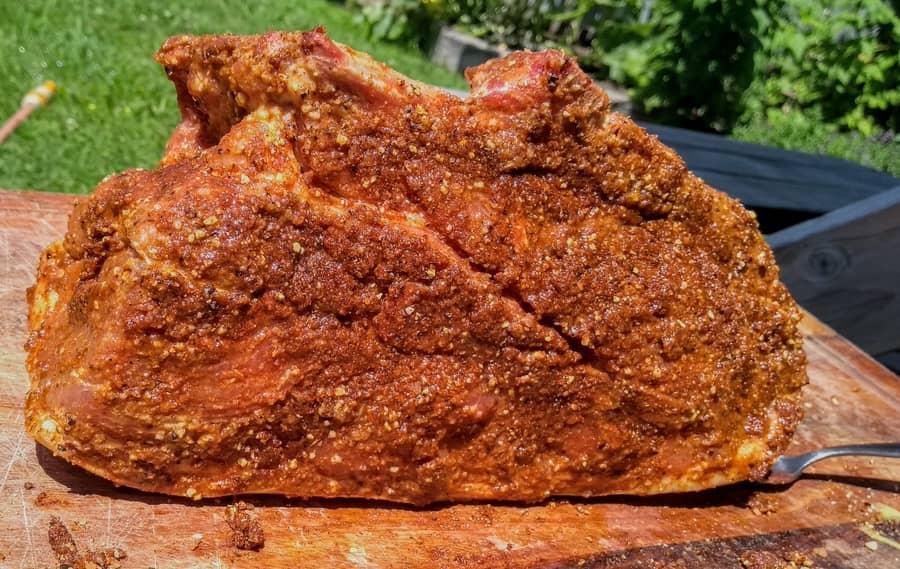
Low and Slow Hot Smoked Pulled Pork 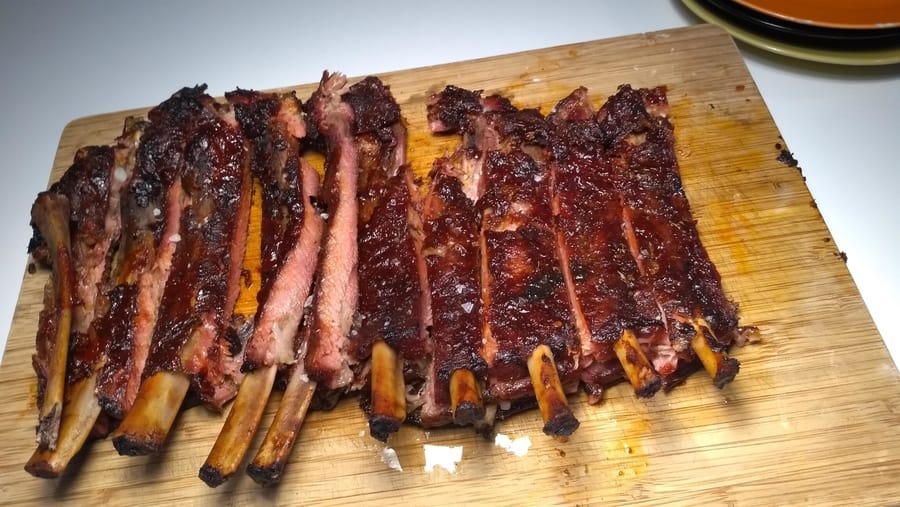
My Low and Slow Hot Smoked Pork Ribs 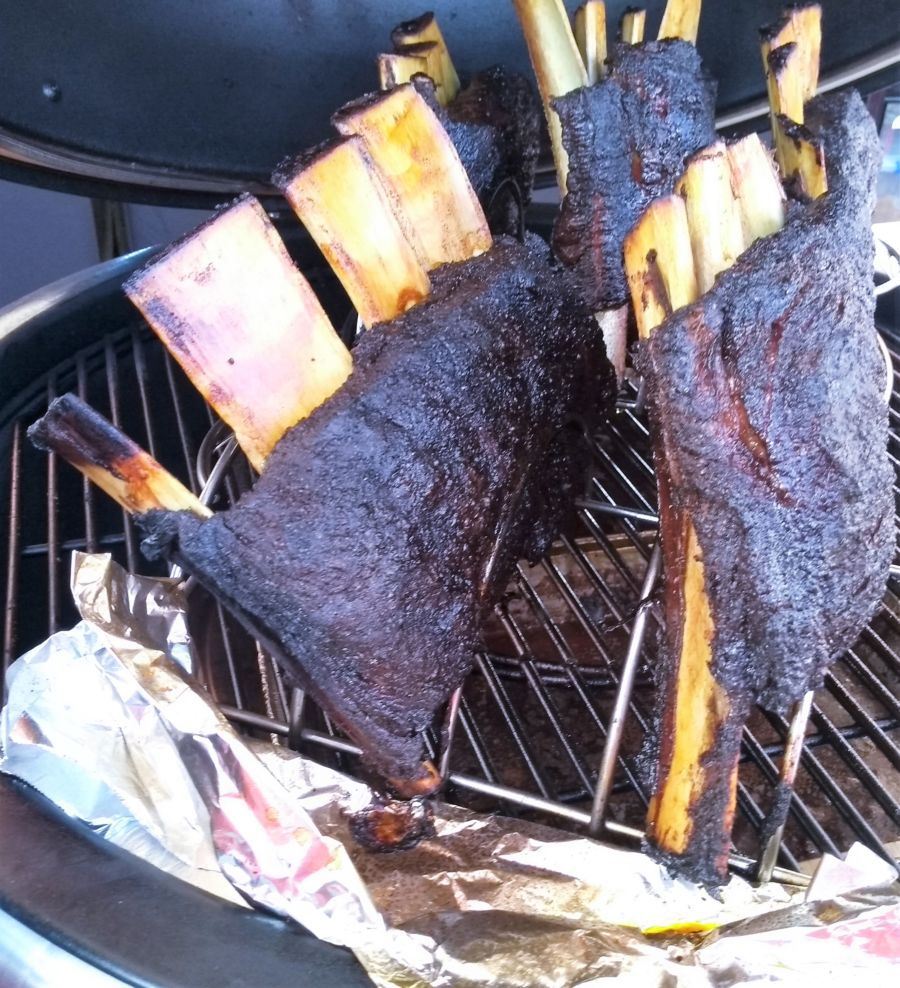
Low and Slow Hot Smoked Beef Short Ribs
Hot Smoking Explained
Hot smoking is about running a steady cooking temperature while feeding clean smoke through the chamber.
I’ve seen endless variations in recipes and smoker styles, but the fundamentals stay the same: consistent heat, a controlled smoke source, and enough airflow to keep the smoke fresh.
If you want a visual walk-through of the method and setup basics, I put together a detailed guide on smoking meat with pictures that covers the core workflow and common mistakes.
Key Factors
I keep coming back to the same few levers when I’m troubleshooting a hot smoking session. Get these right, and most smokers become predictable.
- Consistent chamber temperature (close is good enough).
- Some airflow control helps, but you can still get great results without precision vents.
- The ability to nudge heat up or down is useful when the fire wants to run away.
- A touch of humidity in the chamber can help keep the exterior from drying too quickly.
Direct Heat Hot Smoking
Direct hot smoking is fast and practical when the food is thinner or you want a short session. The smoke and heat sources are in the same zone, so I use it for quick fish fillets, smaller cuts, and short experiments.
Tea (Hot) Smoking
Rice and aromatics have been used across Asian cooking for a long time. I treat this as direct hot smoking because the smoking mixture and the food share the same confined space.
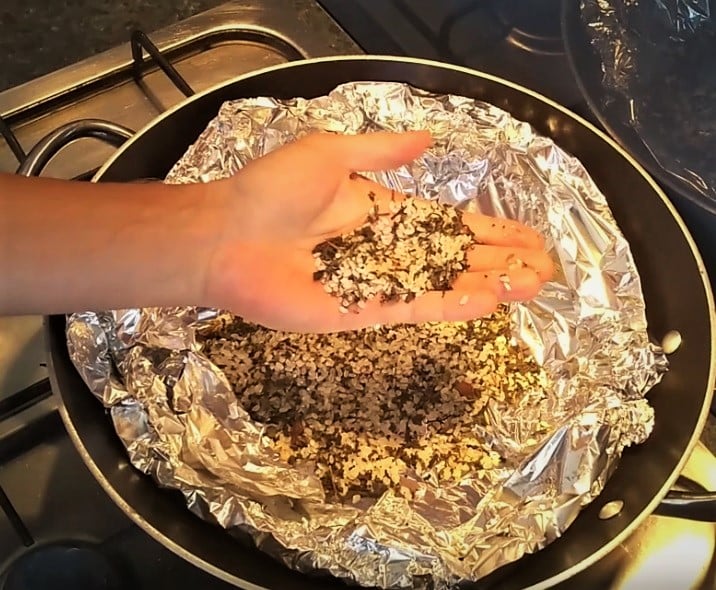
It produces a very different flavor profile compared to wood-based smoke. When I want something quick and punchy for smaller pieces, it’s a fun option.
Portable Direct Hot Smoking
Portable smokers are another fast style I use a lot. They’re handy for backyard sessions and simple trips where you want smoked fish or smaller cuts without a full smoker setup.
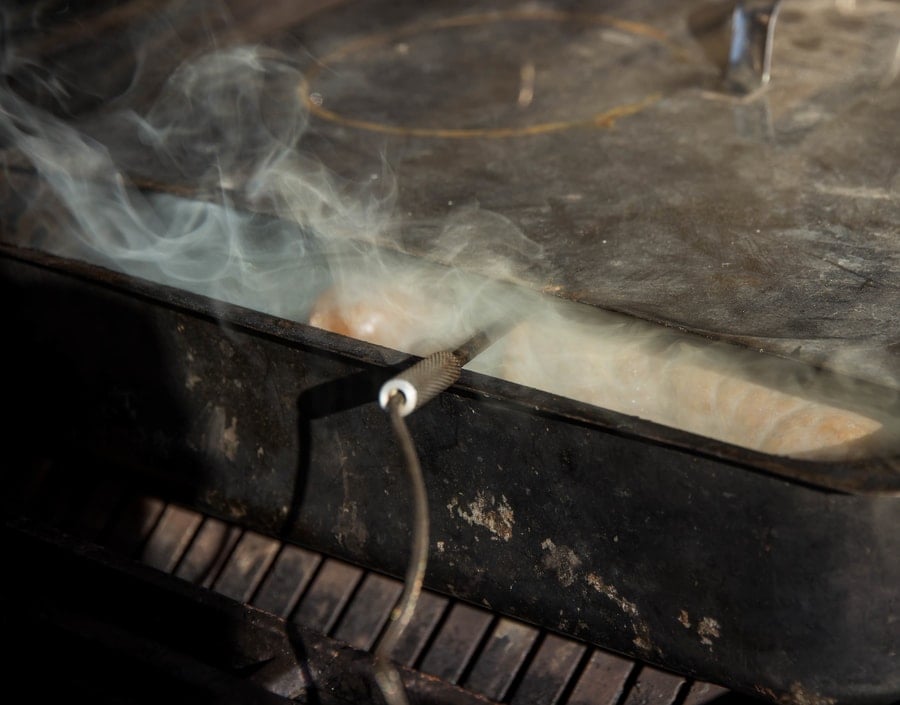
I don’t load much wood for these sessions. A small handful is plenty for quick fillets, and the clean smoke is what matters, not volume.
Often, 10-15 minutes is all it takes with a dense trapped area of smoke and heat. I do like the lid slightly open, however.
Indirect Hot Smoking
Indirect hot smoking is what most people picture when they think “smoked meat.” Heat surrounds the food, smoke circulates inside the chamber, and the goal is steady cooking with a consistent smoke profile.
Hood Grill Hot Smoking
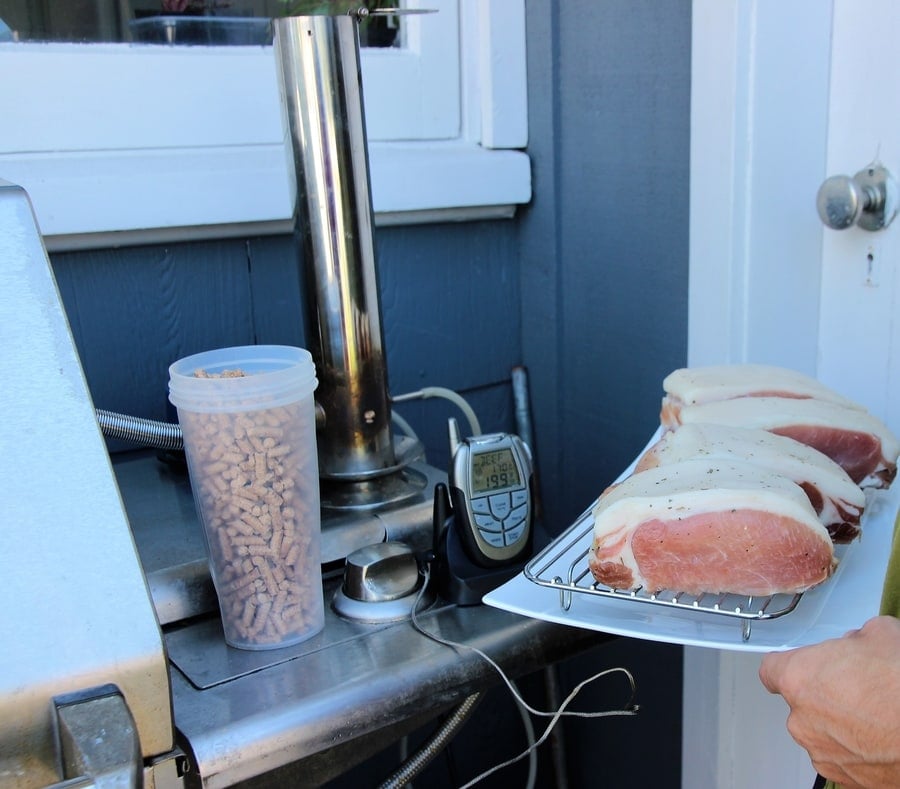
A hooded grill can do a lot when you set it up for indirect heat and give the smoke a reliable path. I’ve had excellent outcomes using a hooded grill with a smoking device, especially for cured cuts that love a steady, gentle session.
I’ve also used hooded grills with no heat for cold smoking, as long as the smoke source is separate and airflow is workable. The chamber itself is just a box, so the real differences lie in heat management and smoke delivery.
Electric Heat Smoking
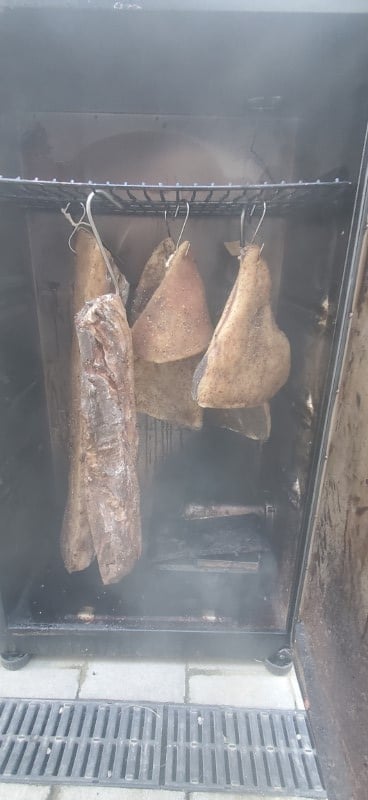
Electric smokers are simple because the heat is consistent and controllable. They’re great when you want predictable sessions without constant fire management.
Pellet Grill Smoker
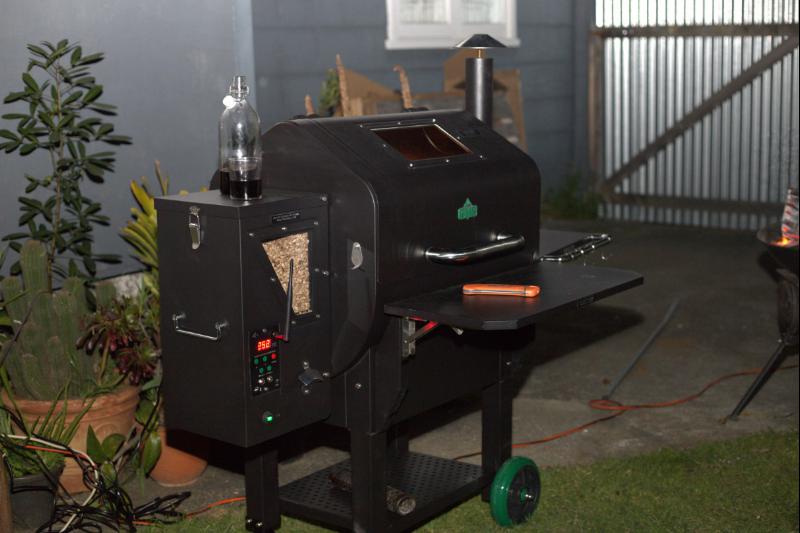
A pellet grill smoker feeds pellets through an auger into a burn pot and runs on a thermostat-controlled system. It’s convenient when you want a steady session, especially on longer cooks.
Charcoal Indirect Hot Smoking
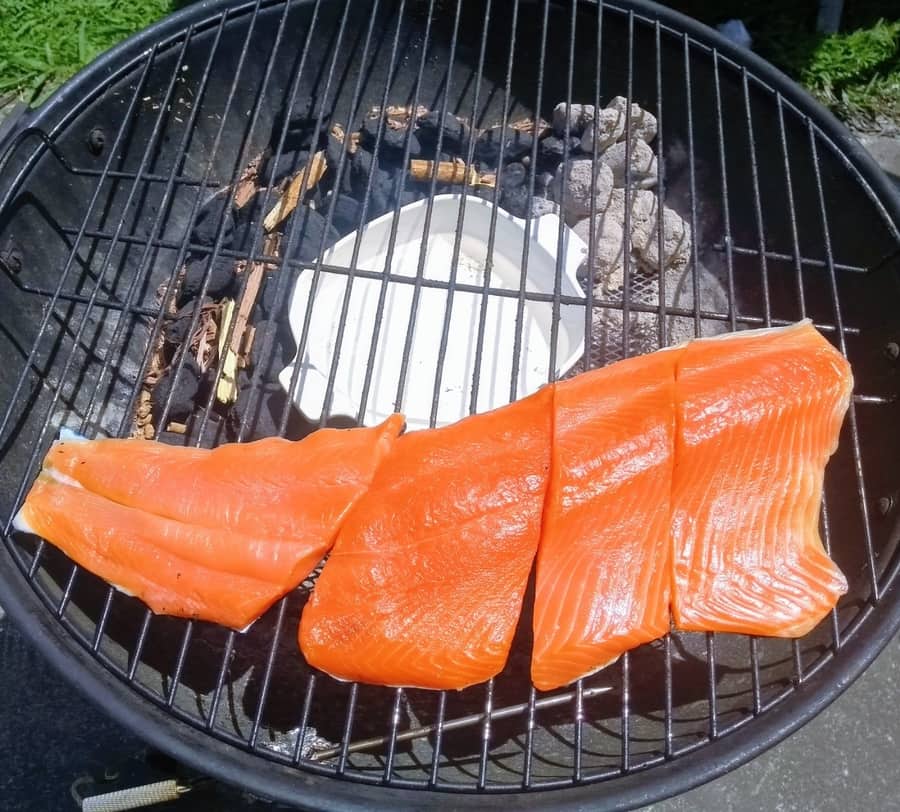
Charcoal covers a wide range of smoker shapes, from kettles to drums and ceramic cookers. With a few vent and layout tweaks, you can go from indirect smoking to high-heat grilling on the same unit.
Cold Smoking Explained
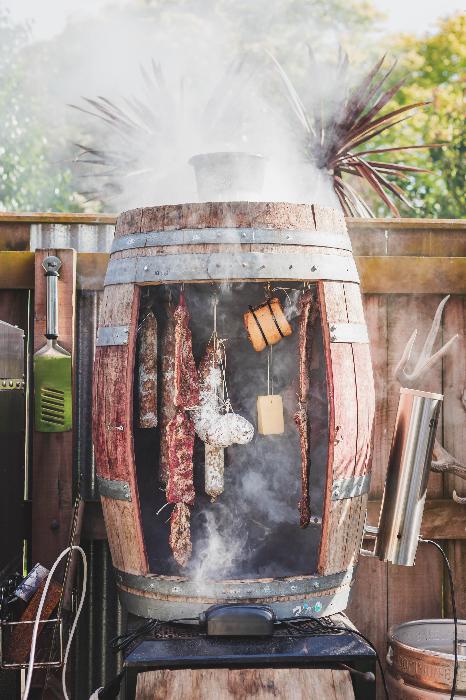
Cold smoking is where I see the biggest differences between “it worked” and “it worked brilliantly.” The gear matters, but the environment matters just as much, and the small details can change how evenly the smoke settles onto the surface.
Most meat-based cold smoking workflows start with a full cure, then a drying step so the surface firms up and takes smoke more evenly. From there, you’re managing smoke density, airflow, and session timing to build a balanced smoke character.
If you want a deeper walk-through that covers both meat and non-meat projects, my complete cold smoking guide goes into the longer workflows and variations.
Key Factors That Change Outcomes
Cold smoking is a craft because multiple variables stack together. When I’m troubleshooting, I work from the surface out: how dry the food is, how the smoke moves, and how stable the chamber behaves.
- Wood choice
- Cold smoking device
- Chamber size and smoke path
- Surface dryness and timing
Environmental variables are the ones people skip, but they are usually the reason a session feels inconsistent. I keep notes on temperature ranges and practical chamber tips in my cold smoking temperature guide.
Cold Smoking Devices That Work at Home
You don’t need a dedicated smokehouse to get good cold smoke. What you need is a reliable smoke source that stays lit, plus a chamber that vents gently so smoke moves past the food instead of sitting there stale.
Pellet Tube Smoker
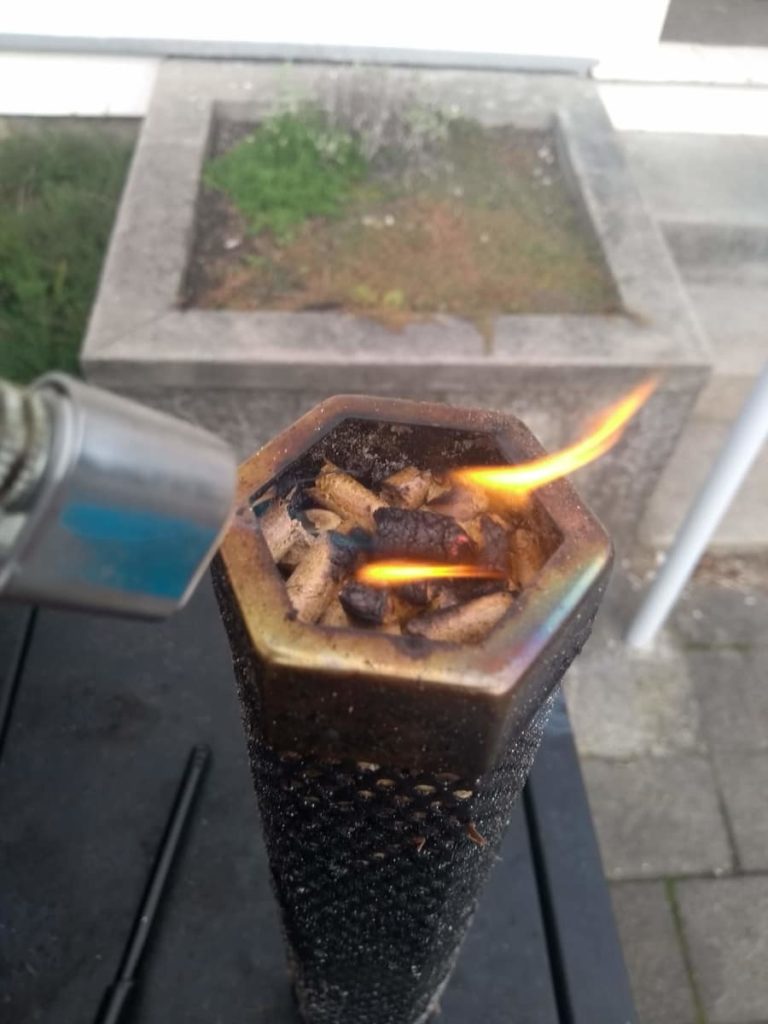
A pellet tube is one of the simplest tools I use because it’s consistent and adaptable. I prefer tubes with a flat side so they don’t roll around inside the chamber, and I match the tube size to the session length I’m aiming for.
Maze Smoker
Maze smokers work much like pellet tubes, but they’re laid out as a slow-burning track. I use wood dust or pellets depending on the device, and I aim for a steady burn that produces a light, consistent smoke.
Smoke Generator
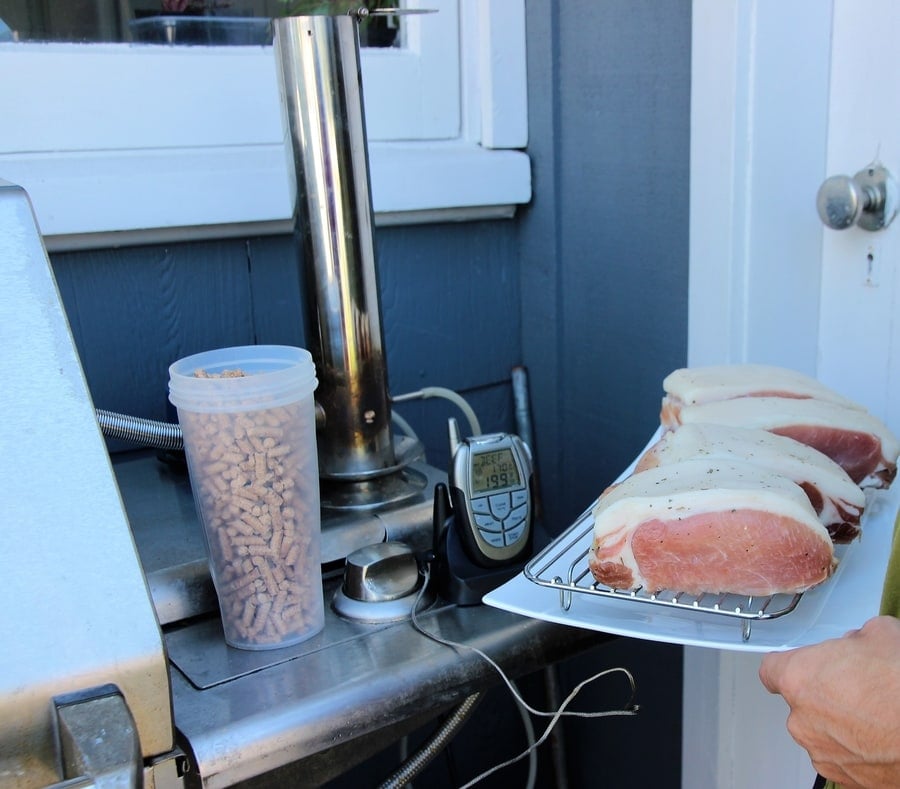
Smoke generators are neat because they can turn many chambers into workable cold smokers. They often rely on airflow physics to pull smoke through the unit, and the Venturi effect is the simplest way to describe what’s happening inside some designs.
If your looking for the 'ducks nuts' (that means a very good bit of equipment). A smoke generator can be used as a cold smoker, or adding smoke to indirect cooking which equates to a form of 'low & slow' bbq or making smoked ham and some much more.
The inventor of smoke generators was Smokai, it's a simple device that uses the venturi effect and a variable air pump to control the amount of smoke you are pumping.
I have a range of cold smoking options, and the Smokai is my favorite.
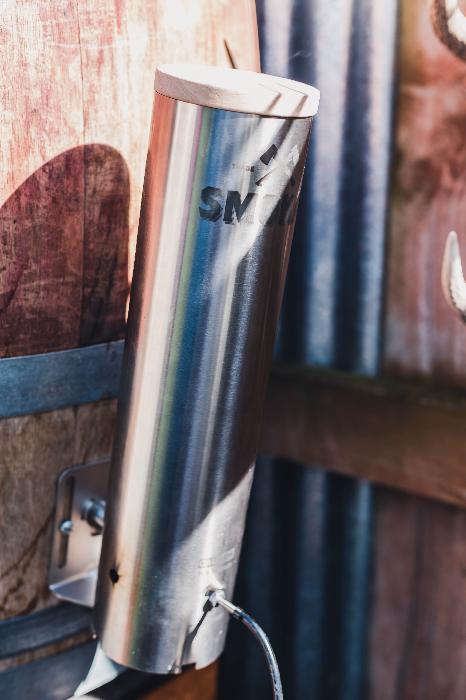
By far the smokai is the most efficient cold smoker I've come across because you have control.
It also burns very clean, which flavors the food exceptionally well. I've been using smoke generators for over 10 years, and this one is the ducks nuts.
Check out this review I did of the Smokai Smoke Generator here.
Cold Smoked vs Hot Smoked Bacon: Which Is Better?
Smoking bacon with either method can lead to excellent outcomes, but they are different products in the end. Cold-smoked bacon is built around cool smoke exposure after curing and drying, while hot-smoked bacon is cured and then cooked with smoke as part of the session.
When I’m deciding which route to take, I focus on the finish I want. Cold smoking gives a firmer, drier style with a deep smoke character, while hot smoking gives a softer slice and a more “ready to use” result straight from the smoker.
Cold Smoked Bacon
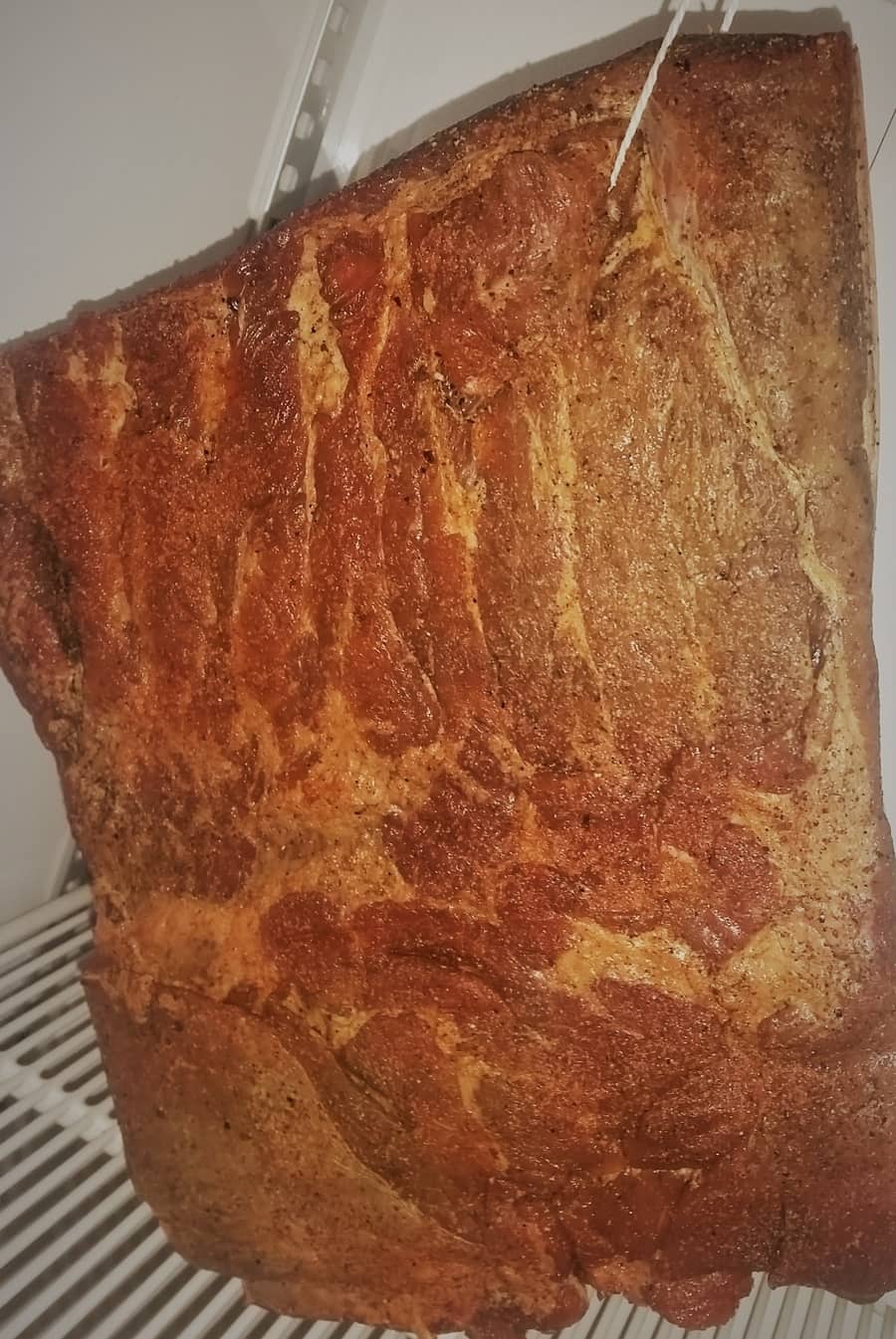
With cold-smoked bacon, the biggest advantage is control over how much smoke you build into the pork. If you want an overview of different approaches, including simple options, I also wrote about ways to smoke bacon.
Technique and Workflow
This is the process I follow most often. The specific timing varies with thickness and chamber conditions, but the order remains consistent.
- Fully cure the bacon with either a salt brine or dry cure
- Dry uncovered in the fridge to form a pellicle
- Cold smoke in a stable environment (airflow matters as much as smoke)
- Rest between sessions so the smoke settles and evens out
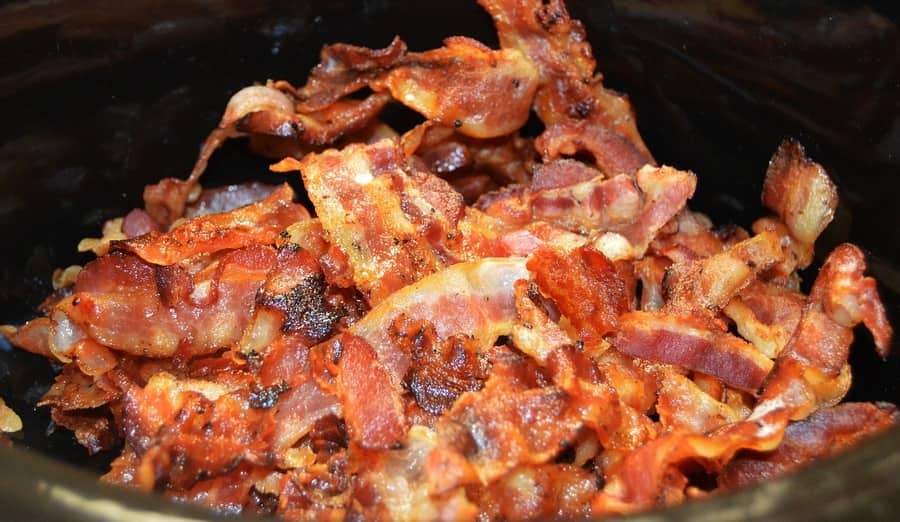
I like to keep the smoke light and consistent rather than heavy and intense. Fruit woods are a solid default for bacon, especially when you want smoke presence without flattening the pork character.
Hot Smoked Bacon
Hot-smoked bacon is the faster workflow because the smoke session is also the cooking session. In my experience, it’s one of the most practical ways to make a big batch that slices well, is easy to portion, and freezes well.
Technique and Workflow
This is the simple outline I use. The details change by smoker type, but the structure works across charcoal, electric, gas, offset, and pellet setups.
- Cure the bacon with either a brine or dry cure
- Dry uncovered in the fridge to form a pellicle
- Hot smoke with steady heat and clean smoke
- Rest chilled, then slice and pack
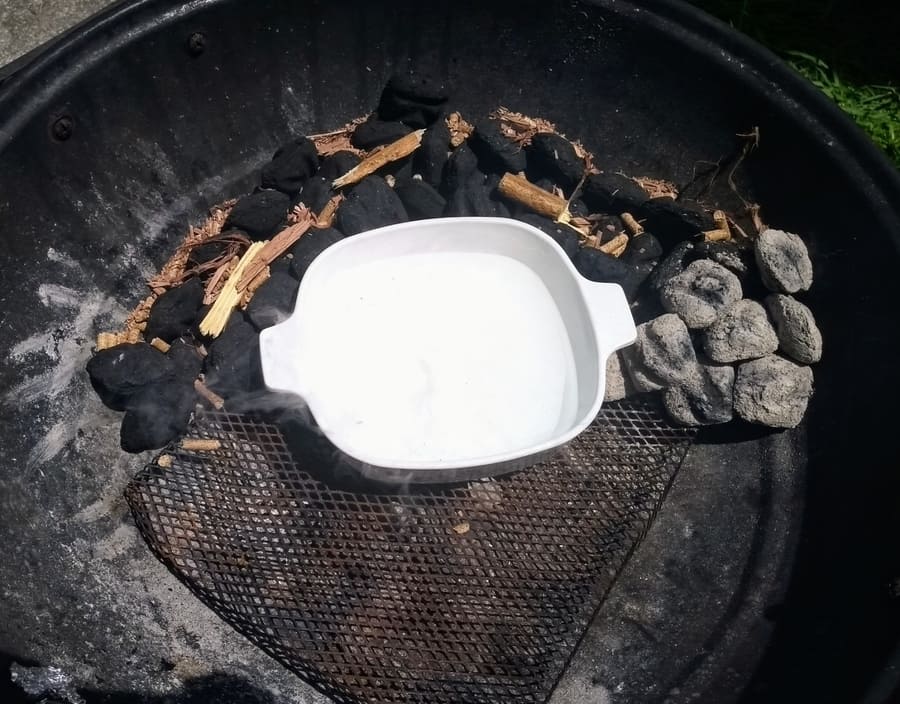
If you want to hot smoke bacon on a grill, I’ve had reliable outcomes using indirect heat with a smoke device, and I break the full setup down in my guide to hot smoking on a gas BBQ.
Which One Should You Make?
If you want a deep, layered smoke character and a firmer style, cold smoking is the route. If you want a shorter workflow and a softer slice that’s ready to portion, hot smoked bacon is hard to beat.
Other Factors: Rind On or Off
Rind is a personal preference. I often keep it on during cold smoking because it changes how the smoke hits the meat side, and it gives you a useful extra piece for cooking projects later.
Green (Uncured) Bacon
Some people use the term “green bacon” to describe pork belly that’s seasoned and dried without a full cure and without a smoke session. I don’t treat it as a smoked bacon option, but it can be a handy baseline if you want to compare how much of the final flavor is coming from smoke versus seasoning.
Frequently Asked Questions
These are the common questions I see when people are deciding between methods or planning their first bacon project.
What is the Best Temperature Range for Cold Smoking?
I aim for cool chamber conditions where the smoke stays gentle and the chamber stays stable. In most home setups, that means keeping the chamber in the low range and avoiding heat creep from the smoke source. The goal is consistent, cool smoke exposure rather than cooking heat.
How long does it take to cold-smoke bacon?
It depends on thickness, the chamber, and how you space your sessions. I often build smoke over multiple evening sessions with resting time between, rather than trying to force all the smoke into one long run. Often 5-10 hours, in 2 sessions.
What meats work best for hot smoking vs cold smoking?
For hot smoking, I like cuts that benefit from steady cooking and smoke contact, including pork, poultry, and fish. For cold smoking, oily fish and cured pork are classic because the smoke character settles in nicely, especially when the surface has been dried before the session.
If you’ve tried both methods, I’d love to hear what gear you used and what bacon style you prefer. Leave a comment with your setup and what you would change next time.
Tom Mueller
For decades, immersed in studying, working, learning, and teaching the craft of meat curing, sharing the passion and showcasing the world of charcuterie and smoked meat. Read More
Thank you Tom,I learned a ton. I ;live in East Africa where it rarley drops below 25 degrees so hot smoking it is.
Hey Glenn thanks for stopping by!
Nice and warm! Not sure what resources you can get your hands on, you could try running a cold smoke into a fridge that has a thermostat controller to cycle it to around 10-20 Deg Cel? Depending on the fridge, may need a humidifier a bit as well. Did you want to cold smoke? Cheers Tom
When you cold smoke are you still looking for 35%weight loss
Depends on what I’m cold smoking. Generally, cold smoking is just drying with cold smoke around. If you are full salt curing the meat. So for a salt dry-cured salami that is cold smoke, I cold smoke then, of course, dry to at least 35% weight oss.
But here is the pickle that doesn’t make the rule universal, salt dry-cured bacon, I do like 20% weight loss and under 8 hours cold smoking, so it just hangs around until it hits about this. This is because I will cook it, so 35% is not needed!
Red meat vs say fish also is a pickle/confusion since you can achieve a slow down of Water Activity (which is what unwanted bacteria need) before 35% weight loss. ie. salmon I have dried/cold smoked is like 25% weight loss.
My question is, is the color of the salami any different between hot or cold smoked? I’m making hard German salami about 1 1/2” diameter casings, once cold smoked so you hang to dry or refrigerate?
Hey, hot is cooked and cold smoke. I guess by hard salami you are drying until weightloss achieved? Cold smoke is then used for protecting the drying via antibacterial and antifungal aspects.
My cooked/hot smoked salami, depending on ingredients and meat. If mainly pork it’s pink (cooked ham look).
For dry-cured salami is often darker, especially if I cold smoke.
For a Hungarian dry-cured salami I make alot, I cold smoke for 3x 6 hours sessions, then hang to dry for 35% weightloss
Cheers
Tom